ServicesBox Truck Insurance
Box Truck Insurance in Smyrna
We insure box trucks for last-mile delivery, moving, expedited and local freight work. We build the policy from your trucks, your drivers and the freight you actually haul, then show you which safe practices can move the premium.
What box truck insurance covers and who needs it
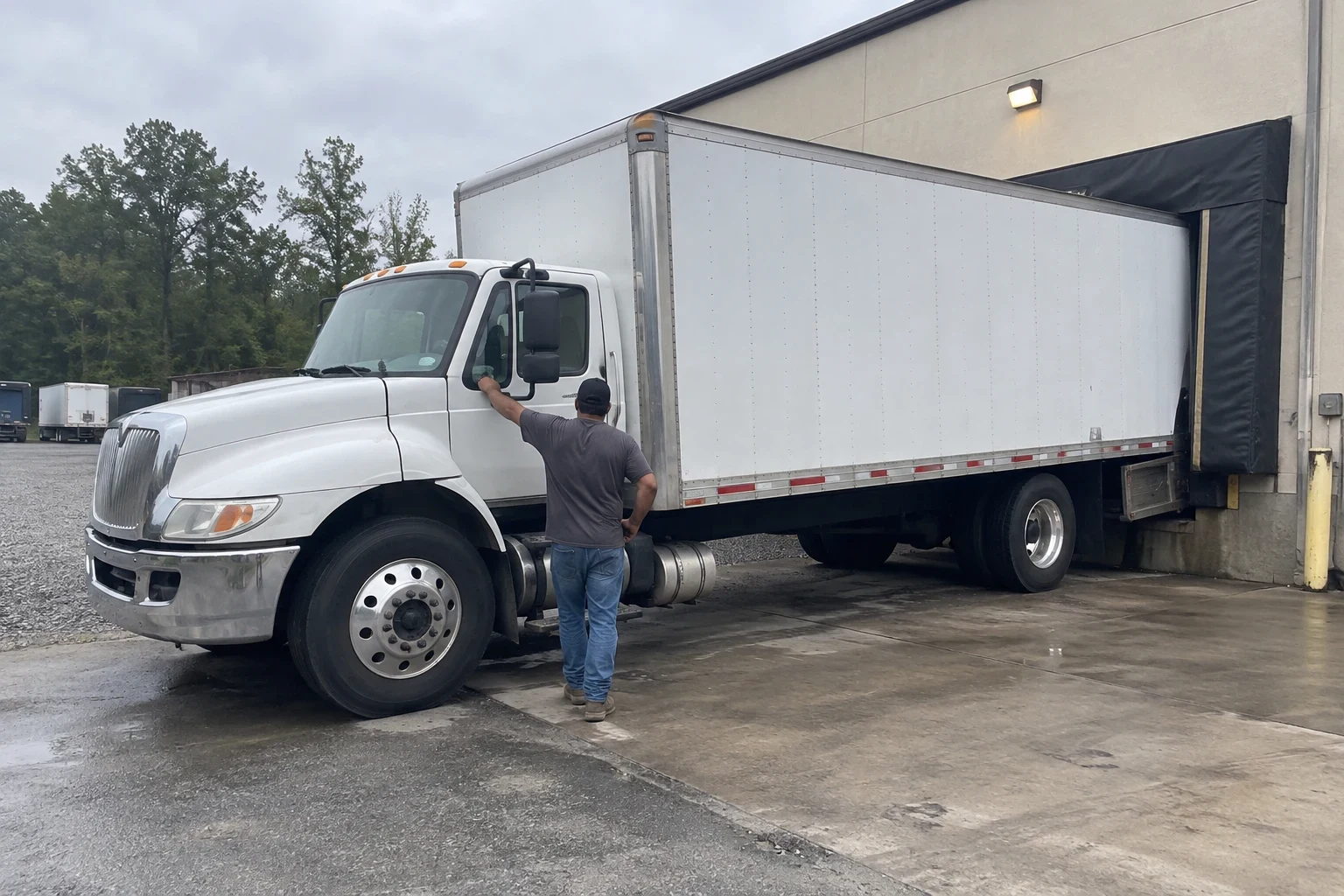
A box truck is a straight truck. The cab and cargo box sit on one frame, usually somewhere between 10,001 and 26,000 pounds GVWR. Most of these trucks can be driven without a CDL. That lowers the barrier for drivers, and it is the main reason underwriters look so closely at who sits behind the wheel.
A box truck policy is assembled from separate coverages. Primary auto liability answers for bodily injury and property damage to other people when your truck is at fault. Physical damage handles repair or replacement of the truck itself. Motor truck cargo protects the freight inside the box. Depending on your contracts, you may also need general liability for loading docks and customer sites, or non-trucking liability if you are leased onto another motor carrier.
Box trucks rarely get hurt on the open highway. The losses happen in the places they work: backing into loading docks, clipping low canopies and parking deck entrances, and squeezing through stop-and-go traffic on I-285 and I-75. We write coverage with those exposures in mind and show you where safer habits pay off.
What we set up on a box truck policy
- Primary auto liability
- This is the coverage your DOT number and any MC authority depend on. We set limits to meet federal filing rules and the higher limits that brokers and delivery contracts often require.
- Physical damage on a stated value
- Collision and comprehensive are written on a stated value for each truck. We help you set a number close to real replacement cost, because an inflated value raises the premium and a low one leaves you short after a total loss.
- Cargo coverage that matches your freight
- Cargo forms list exclusions for certain commodities, unattended vehicles and theft from an unlocked box. We read those lines against what you haul. That way a pallet of electronics or a load of furniture is not denied over a clause nobody explained.
- Liftgate and reefer unit options
- A liftgate or a refrigeration unit adds value and adds risk. Depending on the carrier, we can schedule the equipment on physical damage and add reefer breakdown coverage for temperature-sensitive loads.
- Filings and certificates of insurance
- Once the policy is bound, we handle the required federal filings and send certificates of insurance to the brokers, shippers and facilities that ask for them.
Signs it is time to review your box truck coverage
Your work truck is on a personal auto policy
Personal policies typically exclude vehicles used for business or carrying goods for hire. A claim during a delivery can be denied outright.
A broker or contract asks for higher limits
Last-mile and dedicated delivery contracts often call for liability and cargo limits above the minimums. You need those limits in place before the first load, not after.
You are moving onto your own authority
Leaving a lease and running under your own DOT number and MC authority means you now carry primary liability yourself. Our New Authority Truck Insurance page covers that step in more detail.
You added a truck or a driver
Every new VIN and every new driver has to be listed. An unlisted driver involved in a backing accident is a coverage problem you do not want to find out about at claim time.
Your cargo has changed
Switching from general freight to appliances, refrigerated goods or high-value electronics can fall outside your current cargo form.
What moves the price of box truck insurance
Box truck premiums are driven mostly by who drives, where the truck runs and what it hauls. Truck value matters, but a single at-fault backing claim can outweigh it. We point out which factors you control so you can work on them before renewal.
Driver records and experience
Moving violations, at-fault accidents and years of commercial driving weigh heavily, especially since many box truck drivers hold no CDL.
Radius and route type
Dense urban delivery with constant backing and tight docks carries a different risk than regional runs on open interstate.
Cargo type and limits
High-theft or fragile freight, refrigerated loads and higher cargo limits all raise the cargo portion of the premium.
Authority age and loss history
Carriers with a few clean years of operating history usually see better pricing than a brand-new authority with no track record.
Safety equipment and practices
Backup cameras, dash cameras, telematics and a written maintenance schedule show underwriters you manage risk, and some carriers credit them.
How a box truck quote works with us
- 1
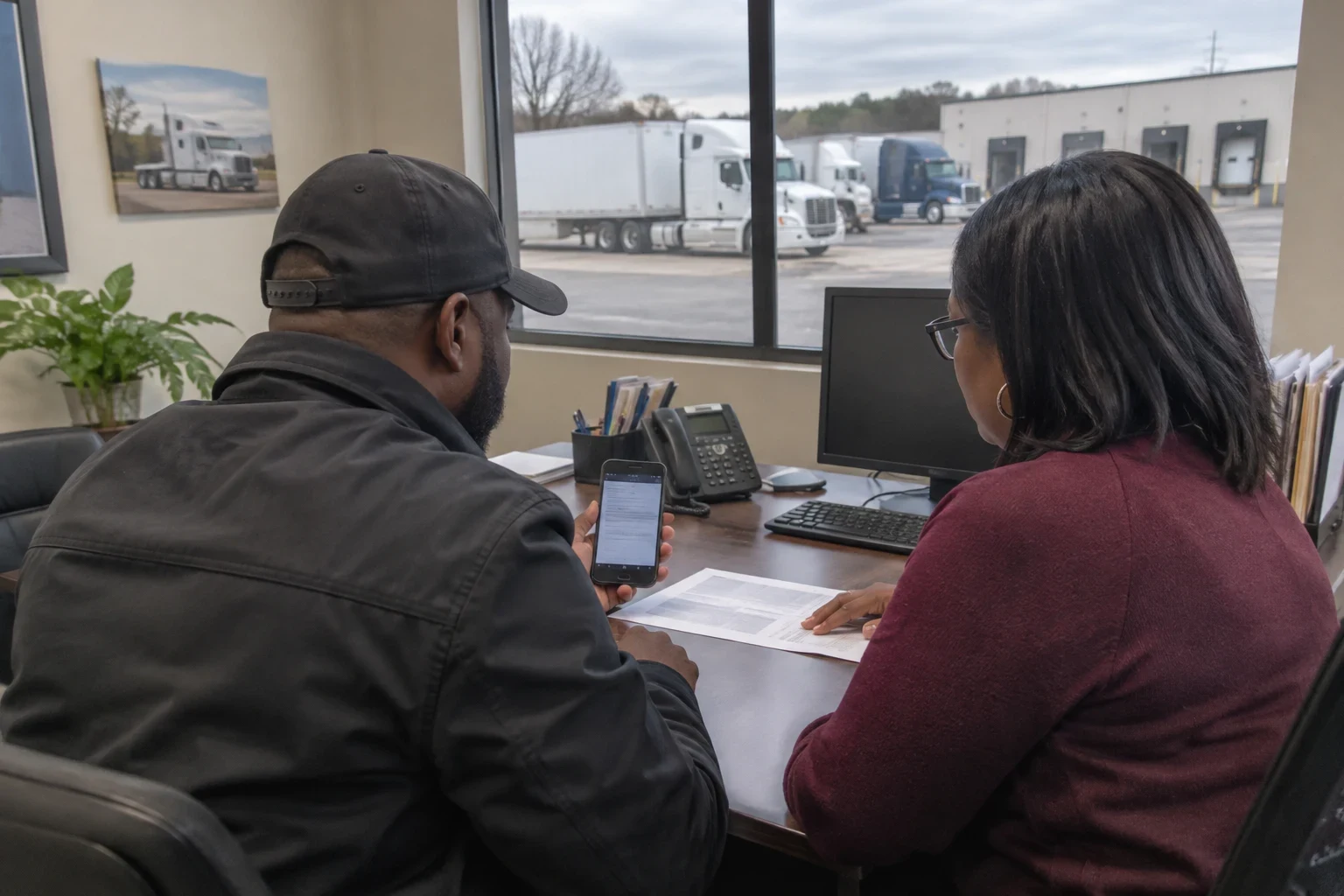
A phone or video call
We start with your operation: how many trucks, their GVWR and value, your radius, the freight you carry and who drives. Have your DOT number, VINs and driver license details handy.
- 2
Driver and loss review
We pull motor vehicle records and ask for loss runs if you have prior coverage. If a driver's record will drive up the premium, we tell you before we quote, not after.
- 3
Shopping the carriers
We take your file to the markets that write box trucks for your type of work. Some prefer local delivery, others write expedited or moving freight.
- 4
Line-by-line quote review
We go through limits, deductibles, cargo exclusions and any driver restrictions with you. You know exactly what is covered and what is not before anything is signed.
- 5
Binding, filings and certificates
Once you give us the go-ahead on the call, we bind coverage, take care of the filings your authority requires and issue certificates to the parties you name.
Box truck insurance questions
Do I need a DOT number for my box truck?
If the truck is over 10,000 pounds GVWR and you haul across state lines for business, you need a USDOT number. For-hire interstate carriers generally need MC authority as well. Georgia has its own registration rules for intrastate carriers. We can walk you through which applies to your work during the call.
Is my liftgate covered if it breaks or gets damaged?
It depends on how the policy is written. A liftgate damaged in a collision is usually covered under physical damage when it is part of the truck's stated value. Mechanical breakdown of the gate itself generally is not. We make sure the equipment is valued and listed correctly.
I am leased onto a carrier. What do I still need?
The motor carrier you are leased to usually provides primary liability while you are under dispatch. You typically still need physical damage on your own truck and non-trucking liability for personal use. Check your lease agreement, and we will compare it with your coverage.
Can cameras or telematics lower my premium?
Some carriers offer credits for dash cameras, backup cameras and telematics, and others weigh them in underwriting without a formal discount. Either way, camera footage often settles disputed backing and lane-change claims in your favor, which protects your loss history at renewal.
How soon can I get a certificate of insurance?
Certificates go out once the policy is bound and the carrier has issued coverage. Timing depends on the carrier and on how quickly we receive your driver and vehicle details, so having those ready speeds things up.
Get your box trucks covered for the work they do
Tell us about your trucks, drivers and freight. We will build a quote around how you run and show you where safe practices can work in your favor.