ServicesOwner-Operator Truck Insurance
Owner-Operator Truck Insurance in Smyrna
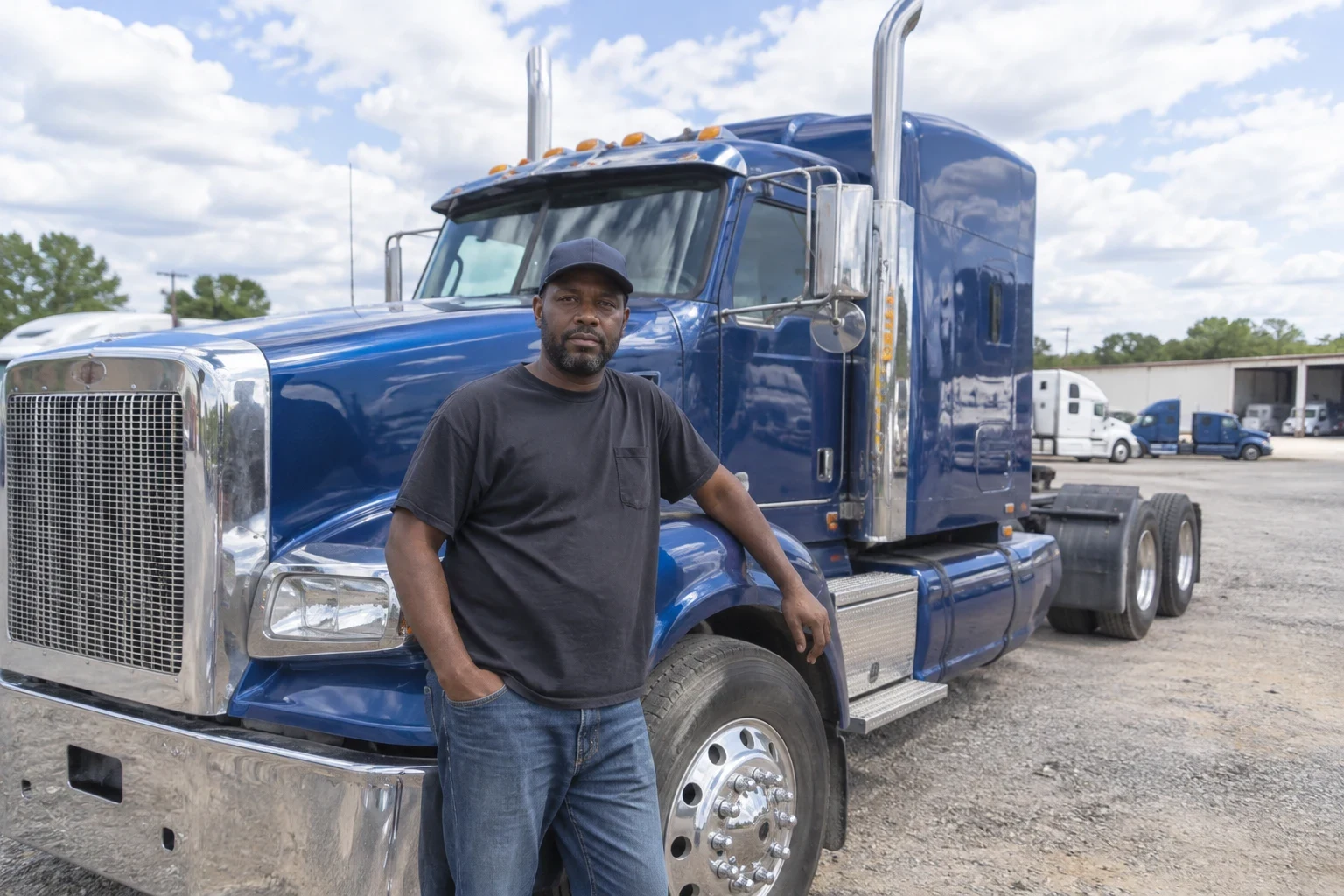
One truck, one driver, and a policy that has to fit exactly how you run. We sort out what your lease already covers, what you still owe yourself, and how a clean inspection history can show up in your premium.
Two Ways to Run, Two Different Policies
Most owner-operators fall into one of two setups. Leased on to a motor carrier, you usually run under their DOT number and their primary liability while under dispatch, so your job is to cover the gaps: non-trucking liability (bobtail) for when you are off dispatch, and physical damage on the truck you own. Running under your own MC authority, you carry everything yourself, including primary auto liability with the federal filing, cargo coverage, and anything your brokers write into their contracts.
Getting this wrong is expensive in a quiet way. A driver who assumes the carrier's policy covers a Sunday trip to the shop, or who buys cargo limits below what a broker requires, finds out at the worst possible moment. We read your lease agreement or your broker packets before we quote, so the policy matches the paperwork you actually signed.
We also treat your safety record as part of the application, not an afterthought. Pre-trip habits, clean roadside inspections and a camera in the cab all give an underwriter reasons to price you as the careful operator you are.
Coverage Lines We Build Into Your Policy
- Primary auto liability
- If you haul under your own MC authority, this line is mandatory. It responds to bodily injury and property damage you cause to others on the road. It also carries the BMC-91X filing and MCS-90 endorsement that FMCSA needs to keep your authority active.
- Non-trucking liability (bobtail)
- Leased owner-operators use this for the hours the truck is off dispatch, like the drive back after a drop or a run to the service bay for a brake job. Nearly every lease agreement names it as a requirement.
- Physical damage
- Collision and comprehensive protection for your tractor, written at a stated value. A lender financing the truck will insist on it and appear on the policy as loss payee.
- Motor truck cargo
- Pays for freight that is damaged or stolen while it is in your care. We compare your commodities to the exclusion list first, since reefer breakdown and some high-theft loads are often limited unless they are named on the policy.
- Trailer interchange
- This matters when a written interchange agreement puts someone else's trailer behind your truck. Without it, damage to that trailer can come out of your own pocket.
Signs It Is Time to Review Your Coverage
You are signing a new lease
Every carrier writes its own insurance section. Some deduct for coverage through their program, others require you to bring your own bobtail and physical damage.
You are leaving a lease for your own MC authority
Your bobtail policy will not satisfy FMCSA. You need primary liability and cargo filed before the authority goes active, and our New Authority Truck Insurance page covers that first year in detail.
A broker turned down your certificate of insurance
Brokers often want higher cargo limits or their company named on your policy, and your current coverage may provide neither. That gap is fixable, but close it before the next load board search.
Your renewal jumped after an inspection
Out-of-service violations for brakes, tires or hours of service feed your CSA BASIC scores, and underwriters see them. Sometimes a violation was recorded in error and is worth challenging through DataQs.
You bought or refinanced a truck
The stated value, the lienholder and the VIN all need to be correct on the policy, or a total-loss claim gets messy.
What Moves an Owner-Operator Premium
Single-truck policies are priced almost entirely on you and that one truck, so small details carry a lot of weight. Here is what underwriters look at most closely, and what you can influence.
Driving record and CDL experience
Years holding a Class A and a clean MVR are the biggest single factor. Many insurers want at least two years of verifiable driving experience.
Inspection and CSA history
Clean roadside inspections show a truck that is maintained and a driver who does real pre-trips. Repeated maintenance violations suggest future claims.
Lease or own authority
Leased operators buy bobtail instead of primary liability, which typically costs far less. Running your own authority shifts the full liability exposure to your policy.
Truck value and deductibles
A newer tractor with a higher stated value raises physical damage cost. A higher deductible lowers it, as long as you can cover that amount after a loss.
Radius, freight and garaging
Long-haul miles through heavy metro traffic, high-value or hazardous loads, and where the truck sits overnight all change the rate.
How We Put Your Policy Together
- 1
A phone or video call
We ask how you run: leased or your own authority, operating radius, commodities, and where the truck parks overnight. Have your DOT number, VIN, CDL date and any lease agreement handy.
- 2
We pull your safety record
We look up your FMCSA inspection history and review your MVR. If something on it is wrong or explainable, we note it for the underwriter instead of letting it speak for itself.
- 3
Quotes from the markets that fit
Not every insurer writes single-truck operations or your type of freight. We take your file only to markets where your profile has a real shot, then walk you through each quote by phone with limits, deductibles and exclusions side by side.
- 4
Binding, filings and certificates
Once you choose, we bind the policy, handle the federal filing if you run under your own authority, and send certificates of insurance to your carrier, lender or brokers.
Owner-Operator Insurance Questions
If I am leased on, doesn't the carrier's insurance cover me?
Under dispatch, the carrier's primary liability usually covers you. Off dispatch, it generally does not, which is why carriers require non-trucking liability. Their policy also rarely covers damage to your own truck, so physical damage is still on you.
What is the difference between bobtail and non-trucking liability?
The terms get used interchangeably, but policies differ. Some bobtail forms cover the truck without a trailer regardless of purpose, while non-trucking liability covers personal or non-business use whether or not a trailer is attached. We read the actual policy wording with you so you know which situations are covered.
Does a dashcam or ELD actually lower my premium?
Some insurers credit forward-facing or dual-facing cameras because footage settles disputed claims quickly. Even where there is no direct discount, a camera and a clean ELD history make your file stronger at renewal.
What should I have ready before we talk?
Your DOT and MC numbers if you have them, the truck's VIN and stated value, your CDL issue date, any prior insurance declarations and loss runs, and your lease agreement or broker requirements. With those, we can usually get to an accurate quote on the first call.
Can you help if I run hotshot instead of a Class 8 tractor?
Yes. Hotshot operators have their own rating rules around pickup-and-gooseneck setups and weight classes, which we cover on our Hotshot Truck Insurance page.
Get the Right Coverage on Your Truck
Tell us how you run and we will show you what each part of the policy does, where the gaps are, and what your safety record is worth to an underwriter.