ServicesMotor Truck Cargo Insurance
Motor Truck Cargo Insurance in Smyrna, GA
Motor truck cargo insurance pays for the freight on your trailer when it is damaged, lost or stolen while in your care. We match the policy to what you actually haul and how you secure it, so a claim gets paid instead of excluded.
What cargo coverage protects, and where it stops
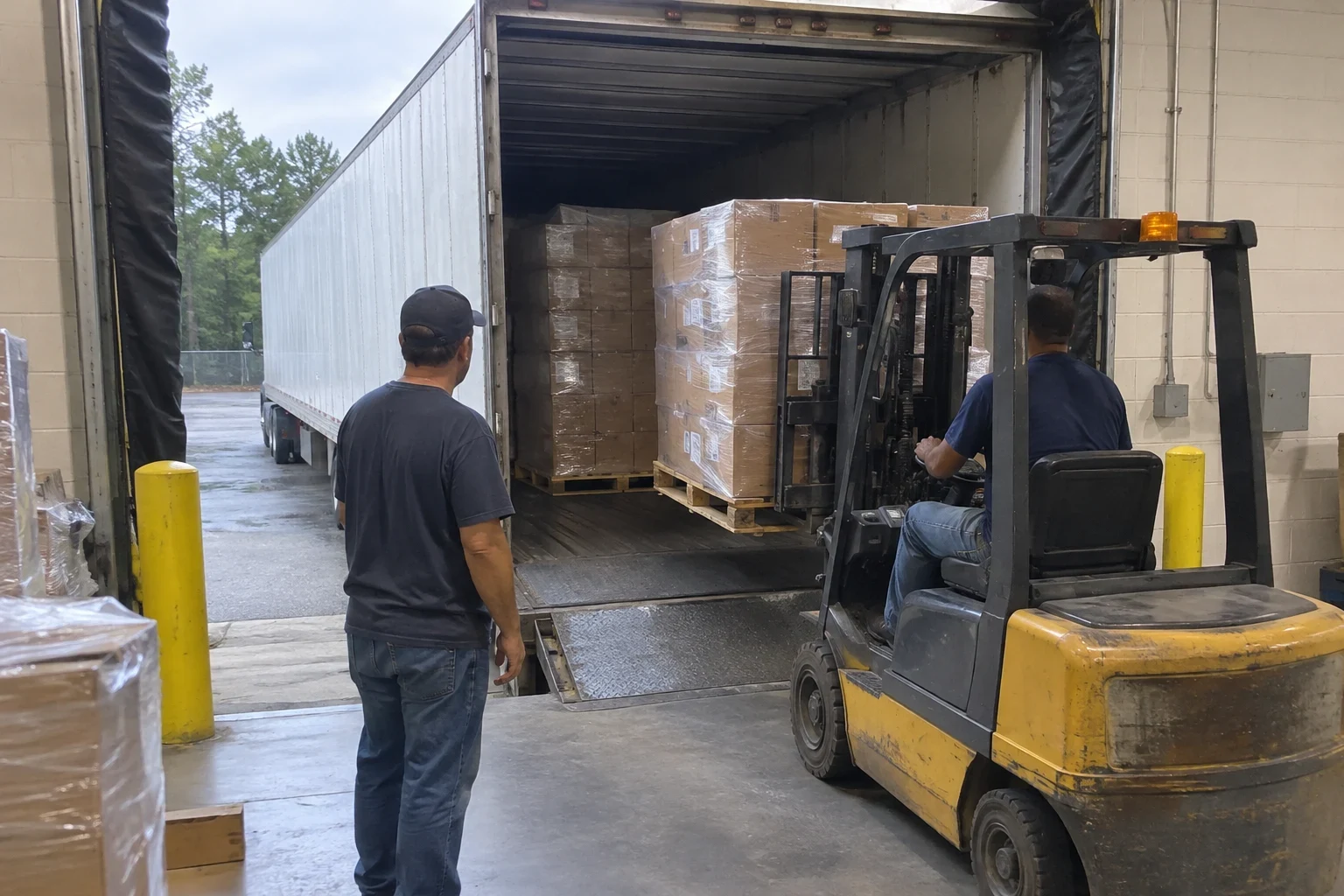
Your auto liability policy covers damage you do to other people. It does not cover the load behind you. Cargo coverage fills that gap. If a pallet of electronics slides into the nose of the trailer, a load of produce spoils after a reefer unit fails, or a trailer is stolen from a truck stop, cargo coverage is what responds to the shipper's claim against you.
Most general freight carriers are not required by the FMCSA to file cargo coverage, but nearly every broker and shipper requires it in the contract, often at a set limit per load. That is why we start with your contracts and your commodity list, not a generic form.
The details decide whether a claim pays. Many cargo policies carry exclusions for unattended vehicles, refrigeration breakdown, certain high-theft commodities, or loads that were not secured properly. We read those clauses with you before you bind, because the safest policy is the one whose rules you can actually follow on the road.
What we set up on a cargo policy
Limit per vehicle and per load
We set the limit to the highest-value load you realistically haul, then check it against what your brokers require. A limit that fits a load of lumber can fall short on a load of tires or copper wire.
Commodity schedule
Insurers price and exclude by commodity. We list what you haul accurately so a load of pharmaceuticals or alcohol is not denied because it was never on the policy.
Reefer breakdown coverage
For temperature-controlled freight, we look for coverage that responds when the refrigeration unit fails, and we explain the conditions attached, such as unit maintenance records and temperature logs.
Theft and unattended vehicle terms
Theft is one of the most common cargo losses. We explain any parking, locking or attended-vehicle requirements in plain words so your drivers know exactly what keeps a theft claim valid.
Certificates of insurance
Once coverage is bound, we issue a certificate of insurance to each broker or shipper that asks, with the cargo limit and any required certificate holder wording listed correctly.
Signs your cargo coverage needs a closer look
- A broker rejected your certificate
- Load boards and brokers often require a specific cargo limit. If you are being turned down for loads, your limit is likely too low for the freight you want to haul.
- You changed what you haul
- Moving from dry van general freight to reefer, auto parts or electronics changes the risk. A commodity that is not listed can leave a load uncovered.
- You run refrigerated loads without breakdown coverage
- A failed compressor or a fuel-starved reefer unit can spoil a full load in hours. Without breakdown coverage, that loss may fall on you.
- Your drivers park loaded trailers overnight
- If your operation stages loaded trailers in yards or at truck stops, the unattended vehicle wording on your policy matters more than the premium.
- You are not sure what your deductible is
- A deductible set too high can turn a small shortage claim into an out-of-pocket cost. Knowing the number helps you decide whether to file at all.
How we put your cargo coverage together
- 1
Start with a call
We talk through your DOT number, MC authority, equipment type and the lanes you run. Expect questions about specific commodities and average and peak load values.
- 2
Review your contracts and loss history
We read the cargo requirements in your broker and shipper agreements and look at any past cargo claims. That tells us the minimum limit and which exclusions would hurt you most.
- 3
Compare quotes line by line
We put the quotes side by side and walk you through limits, deductibles, commodity exclusions and reefer terms, not just the premium. You decide with the fine print in front of you.
- 4
Bind and send certificates
Once you choose, we bind coverage and send certificates of insurance to the brokers and shippers you name, so you can get back to booking loads.
What moves the price of cargo coverage
Cargo premiums are set by the insurer based on how likely a loss is and how big it could be. We cannot quote a number before we know your freight and your record. These are the factors that move it most.
- Commodities hauled
- High-theft and high-value freight such as electronics, tobacco, metals and pharmaceuticals costs more to insure than building materials or general dry goods.
- Limit and deductible
- Higher limits raise the premium. A higher deductible lowers it, but only makes sense if you can absorb that amount on a claim.
- Reefer and specialty equipment
- Temperature-controlled loads add spoilage risk, and adding breakdown coverage adds premium. Well-documented unit maintenance can help.
- Cargo loss history
- Prior theft, shortage or damage claims weigh heavily. Carriers with clean records and solid securement practices usually see better terms.
- Years of authority and driver experience
- Newer motor carriers and less experienced drivers are often priced higher until they build a record. Our New Authority Truck Insurance page covers that stage in more detail.
Cargo insurance questions we hear often
- Does my auto liability policy cover the freight I'm hauling?
- No. Primary auto liability covers injury and property damage you cause to others. The load on your trailer needs its own cargo coverage. We often write both together, and our Primary Auto Liability Insurance page explains that side.
- How much cargo coverage do I need?
- Start with the highest-value load you realistically carry and the limit your brokers require, then use whichever is higher. Many brokers ask for a set minimum, but some freight calls for more. We review your contracts and commodity list on the call to settle on a number.
- Will cargo insurance pay if a load is damaged because it shifted?
- Usually it does, but policies can deny claims tied to improper loading or securement. Following load securement rules for straps, chains and blocking is the best way to keep a shifting-load claim valid. We point out any securement language in your policy before you buy.
- Is spoiled refrigerated freight covered?
- Only if your policy includes reefer breakdown coverage, and only under its conditions. Many insurers want proof the unit was maintained and temperatures were logged. If you run reefer loads, we make sure that piece is in the quote.
- What happens if my truck is stolen with the load on it?
- Cargo coverage can respond to the stolen freight, and physical damage coverage responds to the truck and trailer. Watch for unattended vehicle conditions, which can require the truck to be locked or parked in certain places. We explain those terms so your drivers know them.
Get cargo coverage that matches your loads
Have your commodity list, your typical load values and your broker requirements handy. We will go through them with you and explain exactly what a cargo policy would and would not cover.