ServicesNon-Trucking Liability (Bobtail)
Non-Trucking Liability (Bobtail) Insurance in Smyrna, GA
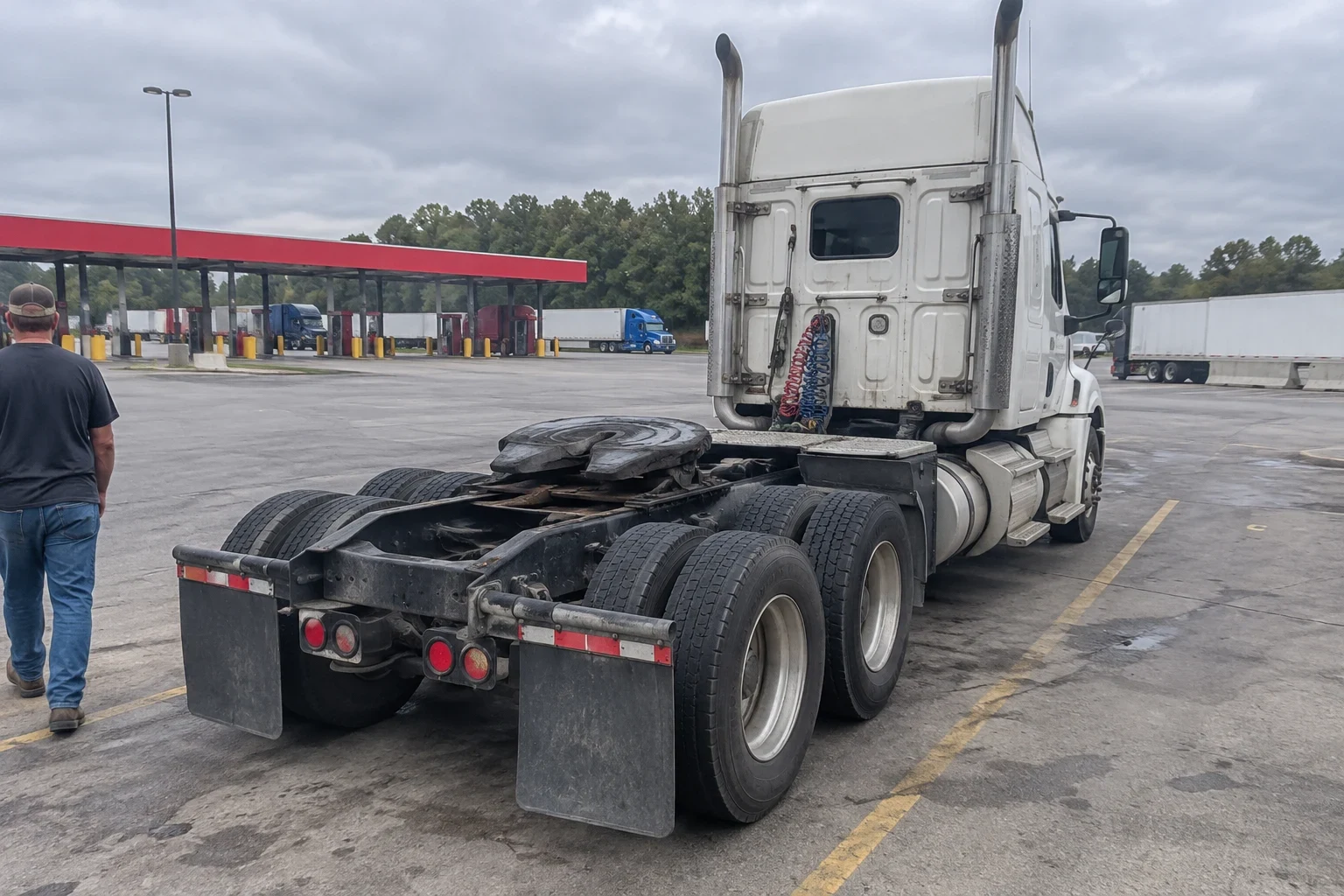
When you're leased to a motor carrier, their liability policy usually stops once you're off dispatch. We write non-trucking liability for the drive home, the trip to the shop and the miles in between. It's worded to match what your lease agreement asks for.
What non-trucking liability covers, and where it stops
Non-trucking liability protects a leased owner-operator when the truck is used for personal, non-business reasons. Under most lease agreements, the motor carrier's primary auto liability applies while you are under dispatch. Once you drop a load and head home, or drive to a truck wash on a Saturday, that coverage typically ends. An at-fault crash in that gap can land on you personally.
Bobtail coverage is often sold under the same name, but the policy language differs. A true bobtail form covers the tractor running without a trailer, sometimes even on the way back to a terminal. A strict NTL form excludes anything done for a business purpose, loaded or empty. We read the form against your lease so you know which one you are buying and why it fits.
If you run under your own MC authority, NTL is the wrong product. You need primary auto liability instead, which we explain on our Primary Auto Liability Insurance page.
What we handle on an NTL policy
Lease agreement review
We read the insurance section of your lease to find the limit the carrier requires, whether the carrier must be named on your policy as an additional interest, and whether they ask for NTL or bobtail by name. Getting this right first keeps your onboarding from stalling.
Limits set to the carrier's requirement
Most carriers set a minimum combined single limit for bodily injury and property damage. We quote at that limit and explain what a higher one would add, so you decide with the facts in front of you.
Certificate of insurance to your carrier
Once the policy is bound, we issue the certificate of insurance with the carrier listed the way the lease requires. Safety departments usually won't dispatch a truck until that certificate is on file.
Plain notes on exclusions
We spell out what NTL does not cover: hauling freight, driving to a pickup under dispatch, and work for a second carrier. Knowing those boundaries is part of operating safely, because it tells you exactly when you are protected.
Pairing with physical damage
NTL pays others for injuries and damage you cause. It does nothing for your own tractor, so we can quote Physical Damage Insurance alongside it.
Signs you need bobtail or NTL coverage
- Your lease lists it as a requirement
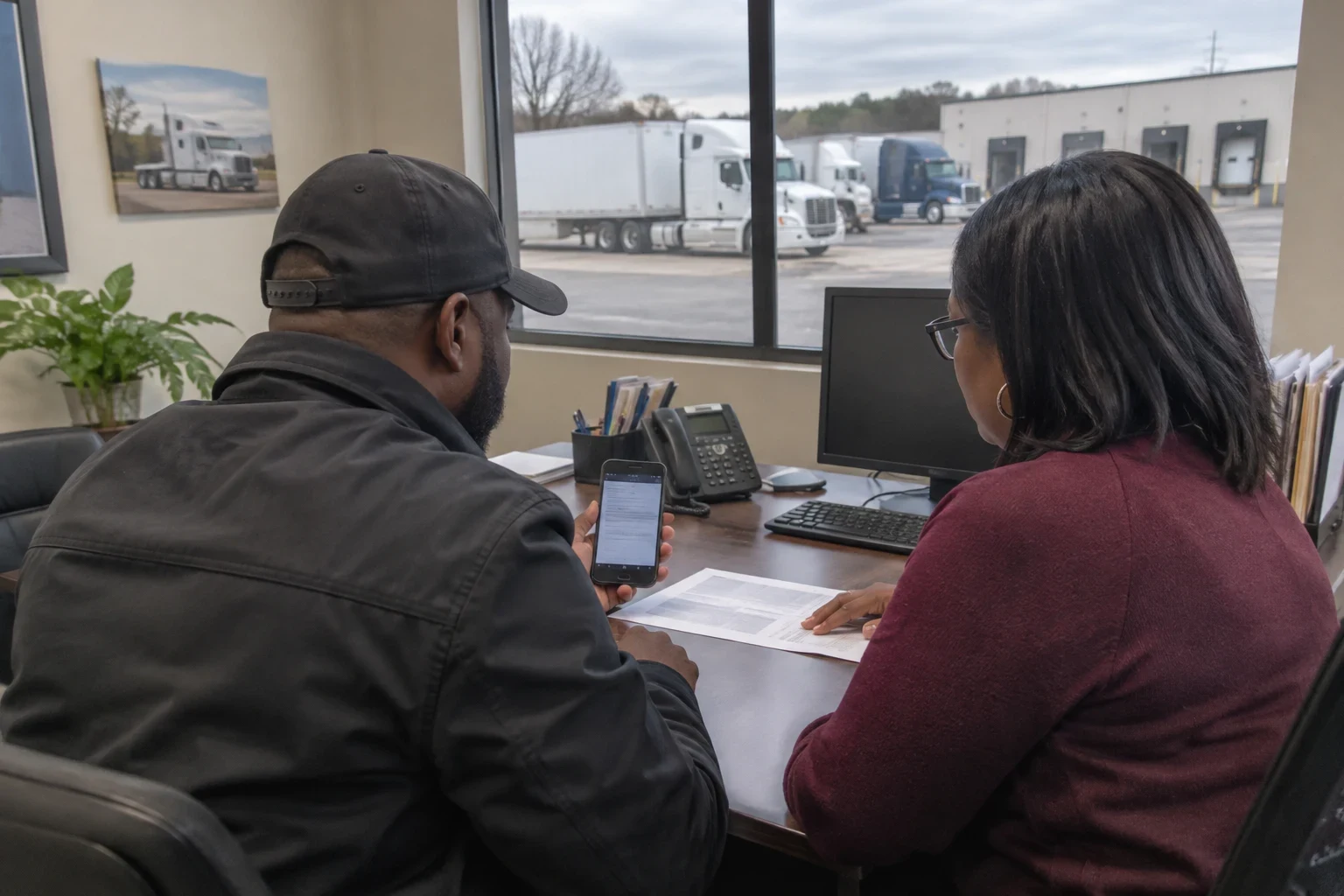
- Most carriers will not finish onboarding until you show proof of non-trucking liability. If the lease packet asks for it, you need it before your first load.
- You take the truck home between loads
- Driving from the yard to where you park overnight counts as personal use under most lease arrangements. Without NTL, a minor collision on that drive is your exposure alone.
- You run errands in the tractor
- A stop for parts, groceries or a doctor's visit in the cab is common. None of those trips fall under the carrier's dispatch coverage.
- You're changing carriers
- The carrier named on your NTL policy has to match the carrier you're leased to. A move means updating the policy and the certificate, not letting the old wording ride.
- You can't tell which form you hold
- Have your declarations page in hand when you call. We'll walk through the form wording and tell you if it's strict NTL or true bobtail.
How we set up your NTL policy
- 1
A conversation about how the truck is used
We start with who you're leased to, where you park, and how often the truck moves off dispatch. That shapes which form fits. We work by phone and video, or at our office in Smyrna.
- 2
Gather what underwriters ask for
Expect to give your CDL number, years of commercial driving experience, the tractor's VIN, year and make, the garaging address, and the carrier's legal name and DOT number. The underwriter pulls your motor vehicle record.
- 3
Go over the quote by phone
We review the premium, the limit, how the carrier is named on the policy and the exclusions line by line. Nothing on the policy should surprise you after the fact.
- 4
Bind and send the certificate
When you approve, we bind coverage and send the certificate of insurance to the carrier's safety or onboarding team. You get a copy to keep in the cab.
What moves the price of non-trucking liability
NTL usually costs less than primary liability because it covers only non-business miles. Even so, the premium varies a lot from one driver to the next. These are the factors underwriters weigh most.
- Your driving record
- Moving violations, preventable accidents and license suspensions on your MVR raise the rate. A clean record over several years is the lever you control most, and it reflects the safe habits carriers want to see.
- The limit your lease requires
- A carrier that asks for a higher combined single limit, or for added endorsements, pushes the premium up compared with a basic requirement.
- Garaging location and radius
- Where the truck sits overnight matters. A tractor parked near heavy Atlanta-area traffic carries different risk than one kept on a quiet rural lot, and underwriters price that in.
- Truck type and age
- The tractor's weight class and model year shape how an insurer views the exposure on the road.
- Form wording
- True bobtail language covers more situations than a strict NTL form, so it generally carries a higher premium.
Questions about bobtail and NTL coverage
- Is non-trucking liability the same as bobtail insurance?
- Not exactly. Many people use the names interchangeably, and some insurers sell them as one product. Strict NTL covers only personal use and excludes any business purpose. Bobtail wording covers the tractor without a trailer and may extend to some business miles, depending on the form. We check which one your lease calls for.
- Does NTL cover me if I'm driving empty to pick up a load?
- Usually not. Heading to a pickup under dispatch is business use, so the carrier's primary liability is meant to respond. That is why the exclusion wording matters, and we review it with you before you buy.
- Do I need NTL if I have my own authority?
- No. With your own MC authority you carry primary auto liability, which covers the truck loaded, empty or parked for the weekend. NTL is built for owner-operators leased onto someone else's authority.
- Will NTL pay to repair my truck after an accident?
- No. It pays for injuries and property damage you cause to others. Damage to your own tractor needs physical damage coverage, which we can quote at the same time.
- My carrier offers NTL through settlement deductions. Can I buy my own?
- Many carriers allow it, as long as your policy meets the limit and the requirement to list the carrier on the policy as set out in the lease. Check your lease language first. We can quote a standalone policy so you can compare it with the carrier's program.
Cover the miles your carrier doesn't
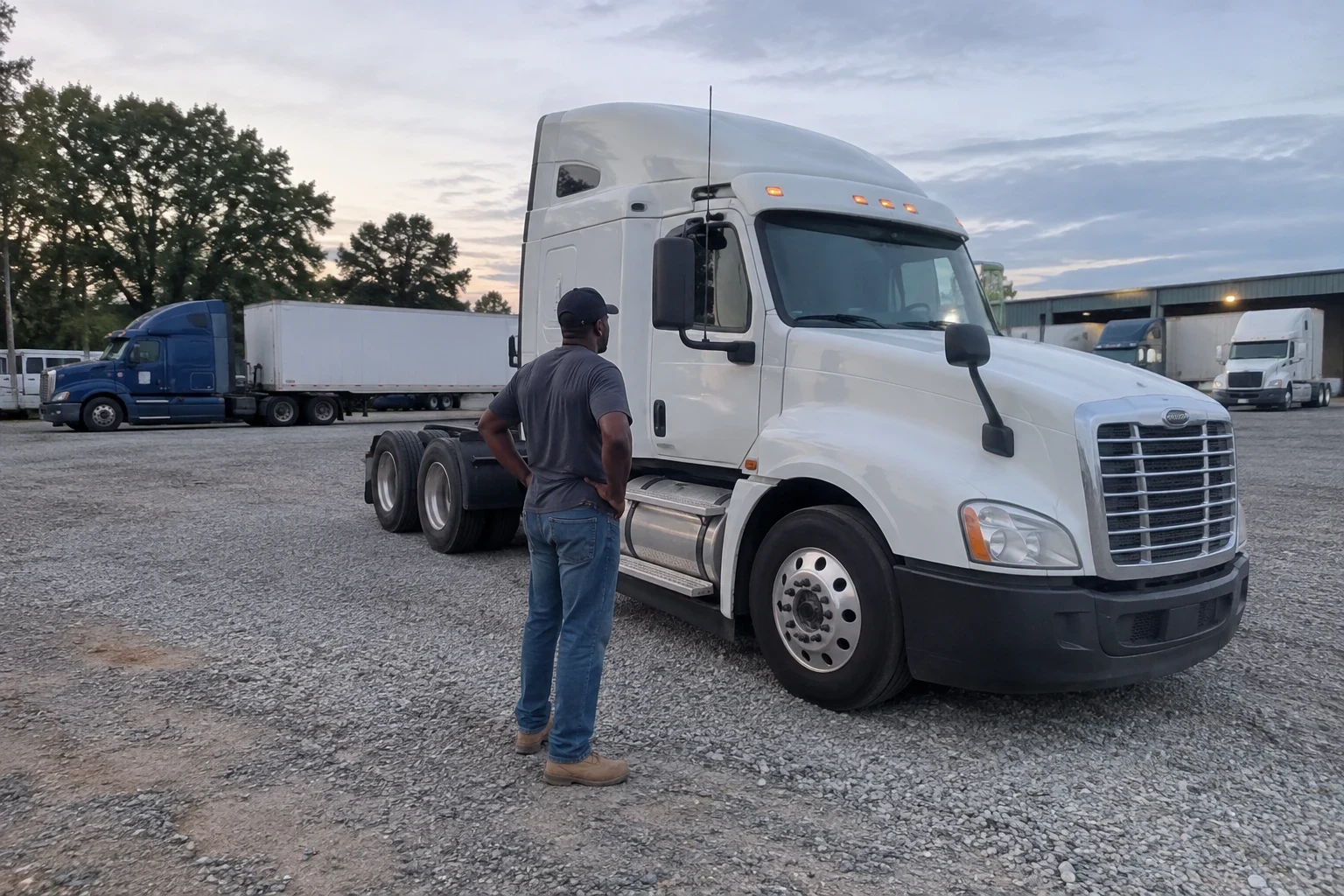
Keep your lease agreement nearby when you call. We'll match the coverage to its requirements, explain the exclusions and get the certificate to your carrier.