ServicesTrailer Interchange
Trailer Interchange Insurance in Smyrna, GA
When you sign a trailer interchange agreement, the trailer's damage becomes your bill. We set up coverage that pays for collision, fire and theft damage to trailers and chassis in your care, written to the limit your agreement actually demands.
What trailer interchange coverage does
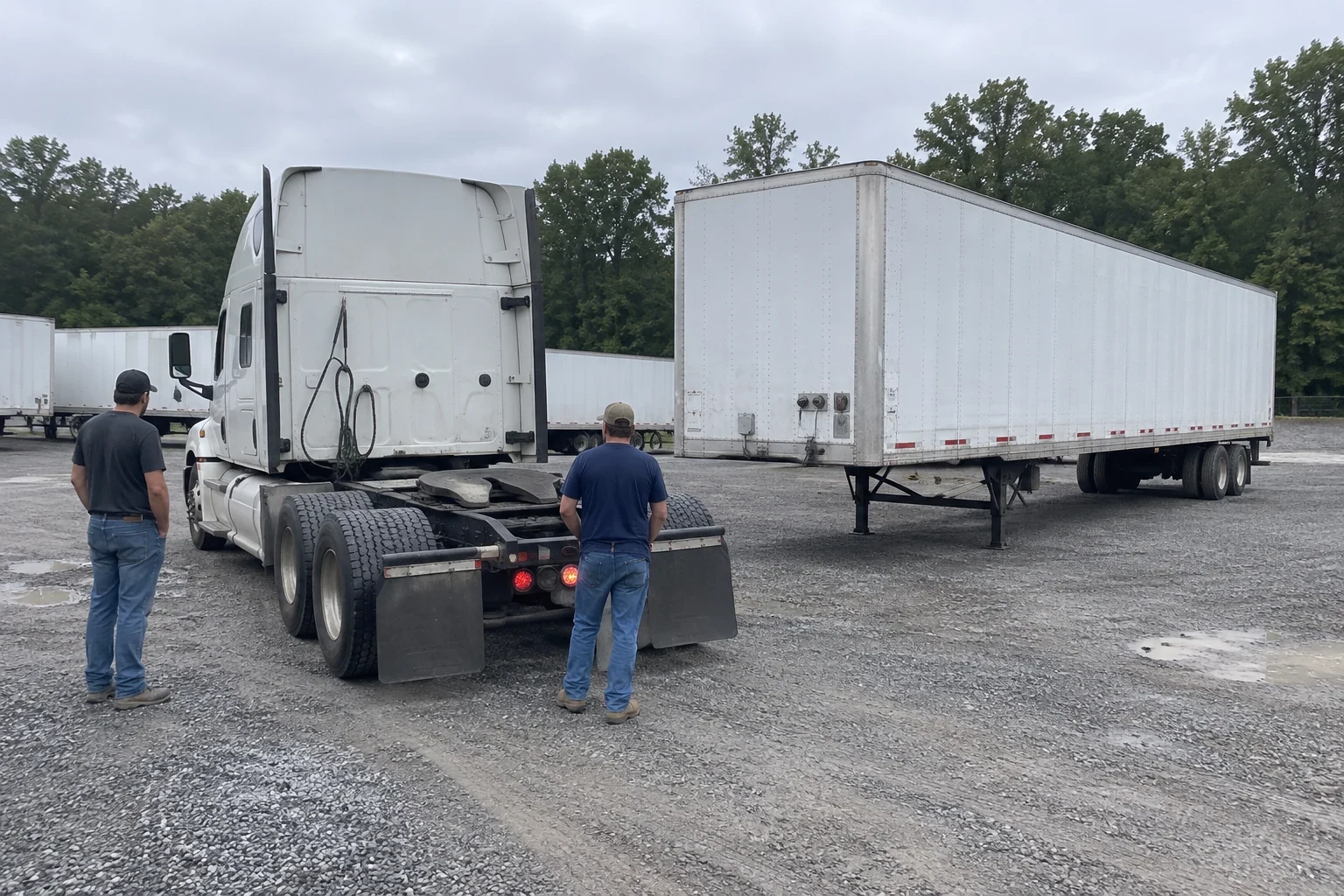
Trailer interchange insurance is physical damage coverage for a trailer you do not own but have taken under a written interchange agreement. Intermodal drayage under the UIIA, power-only freight and trailer swaps between carriers all use these contracts. The agreement shifts responsibility for the trailer to you while it is hooked to your truck or dropped in your yard.
Your primary auto liability policy will not pay for that damage. Liability covers other people's property, but it excludes property in your care, custody or control, and a borrowed trailer sits squarely in that exclusion. Your cargo coverage protects the freight, not the box around it. Interchange coverage fills that specific gap.
We look at it from the safety side first. A trailer with a soft tire, a cracked landing gear foot or bad lights that you accept without noting is a claim waiting to happen, so part of our job is helping you document condition at pickup and set a deductible you can carry.
What we set up for you
- Collision and comprehensive on non-owned trailers
- Coverage for damage from a jackknife, a backing accident, a dock strike, fire, theft or vandalism while the trailer is in your possession under the agreement.
- Limits matched to your contract
- We read the agreement and set the per-trailer limit it requires. Intermodal chassis, reefers and dry vans carry very different values, so one number does not fit every lane.
- Certificates and filings
- We issue the certificate of insurance the trailer owner, broker or equipment provider asks for, and handle the listing your intermodal agreement requires so you are cleared to pull equipment.
- Coordination with your other policies
- We check how interchange coverage fits beside your primary auto liability, motor truck cargo and physical damage insurance so nothing overlaps and nothing is left open.
- Pickup inspection guidance
- We explain what to photograph and note on the interchange receipt: tires, brakes, lights, landing gear, doors and floor. Clean documentation protects your loss record and keeps old damage from becoming your claim.
Signs you need trailer interchange coverage
You pull containers on chassis
Drayage from rail intermodal yards or the ports runs on interchange agreements. Without coverage on file, the equipment provider will not release a box to you.
You signed an agreement with another carrier
Swapping trailers to balance freight or meet a relay means you hold their equipment for a while. The contract you signed almost certainly makes you responsible for it.
You run power-only loads
Hooking to a shipper's or broker's trailer can come with an interchange contract. Read the paperwork before the first dispatch, not after a claim.
A certificate request mentions trailer interchange
When a broker or equipment owner asks for interchange on your certificate of insurance, your current policy may not include it yet.
Your carrier's policy does not extend to you
Owner-operators leased onto a motor carrier sometimes assume that carrier covers borrowed trailers. Many leases push that responsibility back onto you.
How we put the coverage in place
- 1
Start with a phone or video call
Tell us how your operation uses outside trailers: the lanes, the equipment types and who you interchange with. Have your DOT number and MC authority ready.
- 2
Review the agreement line by line
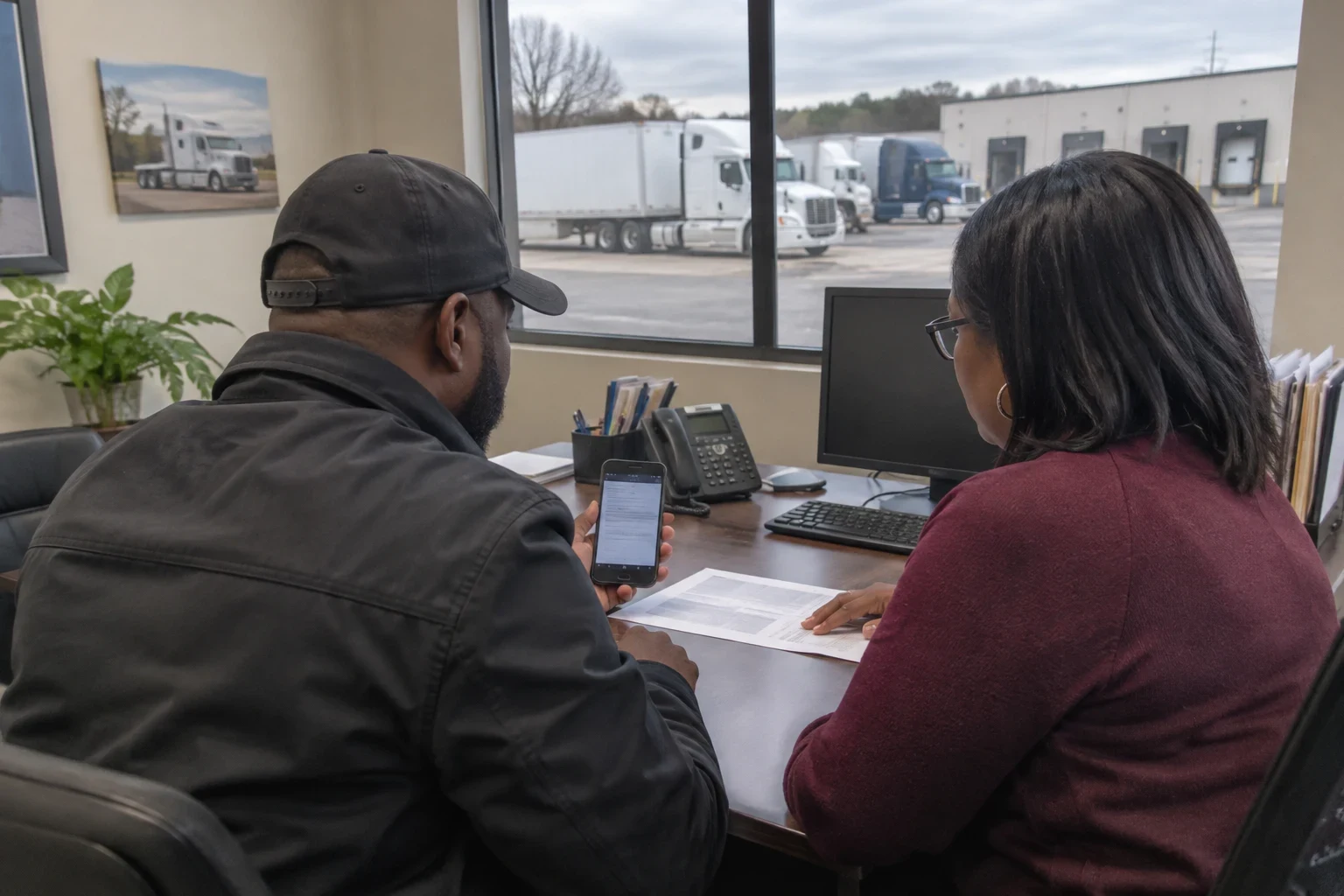
We read the interchange contract for the required limit, deductible terms and who must be named on the certificate. Those details decide how the policy is written.
- 3
Gather your safety and loss history
Underwriters look at your driver records, inspection results and past claims. We help you present maintenance and pickup inspection habits clearly, because a well-documented safety program reads better than a blank page.
- 4
Quote, bind and file
We go over the quote by phone, explain each coverage line, and once you approve we bind it and send the certificate and any required filings.
What moves the premium
Trailer interchange is usually priced on the value of the equipment you take on and how often you take it. Your loss history and safety record matter as much as the trailer itself. We quote by phone after we know how your operation runs.
- Limit per trailer
- A refrigerated trailer with a reefer unit is worth far more than an older dry van or a bare chassis. The higher the limit, the higher the premium.
- Deductible
- A higher deductible lowers the premium but means more out of pocket on every scraped corner or torn door. We help you pick a level your cash flow can handle.
- Driving and claims record
- Backing and dock accidents drive most trailer claims. Clean MVRs, good roadside inspection results and few prior losses all help.
- Radius and where trailers sit
- Long-haul lanes and trailers dropped in unsecured lots raise exposure to collision and theft. Short drayage runs and fenced, lit parking can work in your favor.
- How many trailers you hold at once
- Carrying one interchanged trailer at a time is a different risk than holding several in your yard overnight.
Trailer interchange questions
Something not covered here? (770) 637-6657
Is trailer interchange the same as non-owned trailer coverage?
No. Trailer interchange applies when there is a written interchange agreement making you responsible for the trailer. Non-owned trailer physical damage covers trailers you pull without such a contract. We look at how you actually get trailers and recommend the one that fits, or both if your work calls for it.
Will my liability policy pay if I damage a borrowed trailer?
Generally not. Primary auto liability excludes property in your care, custody or control, and a trailer hooked to your truck is in your control. That exclusion is exactly why interchange coverage exists.
Does motor truck cargo coverage protect the trailer?
Cargo coverage pays for the freight inside, not the trailer or container. A rollover can damage both, so many carriers carry cargo and interchange side by side.
I'm leased onto a carrier. Do I still need this?
Possibly. Some carriers extend their interchange coverage to leased owner-operators and some require you to carry your own. Send us the lease and we will tell you where the responsibility sits before you pull a borrowed trailer.
What should I do when I pick up an interchanged trailer?
Walk it before you hook up. Check tires, brakes, lights, landing gear, doors and the floor, photograph anything damaged and make sure it is written on the interchange receipt. That record keeps you from paying for someone else's damage.
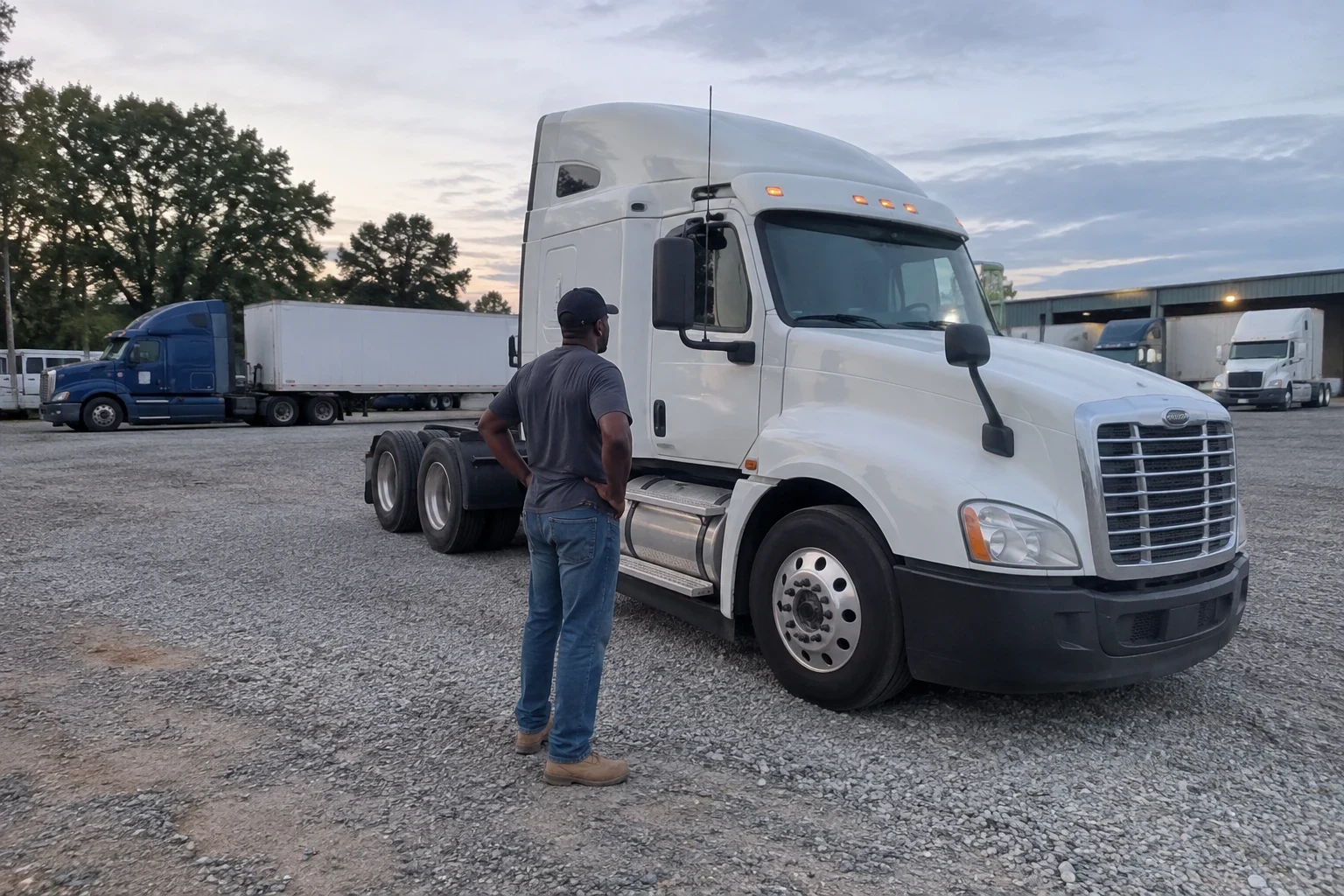
Know what you're signing before you hook up
Bring us the interchange agreement and a description of your trucks and lanes. We will explain what it holds you responsible for and how to cover it.