ServicesPrimary Auto Liability
Primary Auto Liability Insurance in Smyrna
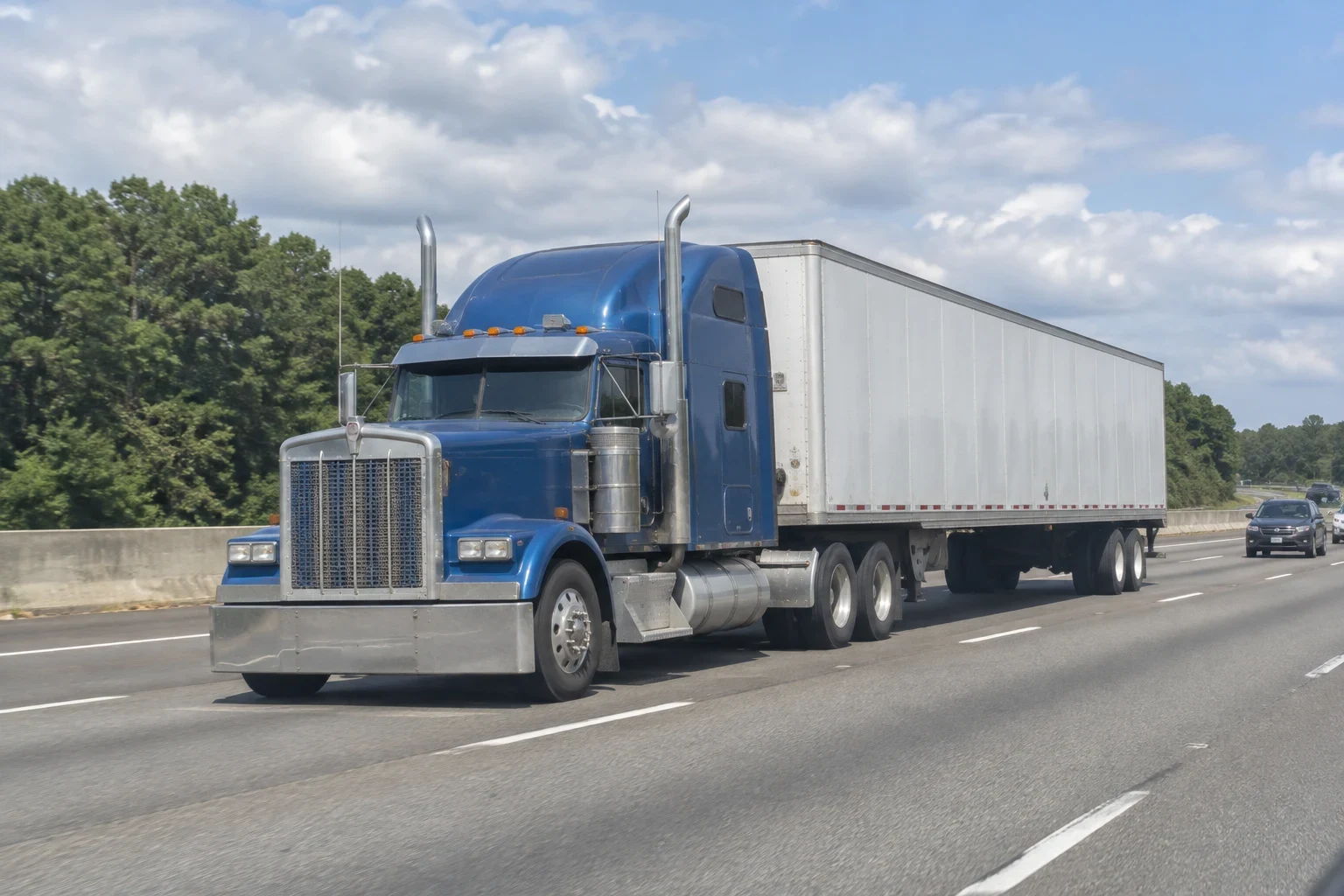
If a crash is your driver's fault, primary auto liability covers the bodily injury and property damage owed to others on the road. The FMCSA needs this filing on record before your MC authority can go active. We set your limits around your freight, your lanes and your safety record.
What primary liability covers, and what it does not
When your truck is at fault in a crash, primary auto liability pays for the other party's bodily injury and property damage. That includes medical bills, a damaged car or storefront, and the legal defense if you are sued. It is written on a combined single limit, so one number covers injury and damage together for each accident.
It does not repair your own tractor or trailer. That is physical damage insurance. It does not pay for the freight you haul either. That is motor truck cargo insurance. Liability is the one coverage federal law requires for interstate for-hire carriers, and your insurer proves it by sending a BMC-91 or BMC-91X filing to the FMCSA.
We treat liability as a safety question as much as a price question. The way your drivers are hired, how your trucks are inspected and what your CSA scores show all decide what an underwriter will offer. We explain how each of those links to your premium, so you can see what is worth fixing.
What we handle when we place your liability
- Limit selection that fits your freight
- Federal minimums depend on what you haul, and hazmat carries a higher floor than general freight. Many brokers and shippers ask for more than the minimum. We check your contracts and load boards before suggesting a limit.
- Federal and state filings
- We coordinate with the insurer so the BMC-91X goes to the FMCSA under your DOT number. If your intrastate work in Georgia needs a state filing, we arrange that too.
- Certificates of insurance
- Brokers want a certificate of insurance naming them before they release a load. We issue those by phone request and add certificate holders as your customer list grows.
- Scheduled units and listed drivers
- Liability follows the trucks and drivers on your policy. We keep VINs and driver lists current so a new hire or replacement tractor is not left off when it matters.
- Coordination with your other coverage
- We line up liability with your physical damage, cargo and non-trucking liability (bobtail) insurance so there are no gaps between policies and no double charges.
Signs it is time to review your primary liability
You are activating new authority
Your MC authority will not go active until a liability filing is on record with the FMCSA. New authority truck insurance starts here.
A broker rejected your certificate
If a broker says your limit is too low or the certificate is missing their name, you lose loads. We look at what they require and adjust.
You are leaving a lease-on carrier
Leased owner-operators usually run under the carrier's liability. Moving to your own authority means you need your own policy and filing in place first.
Your renewal jumped
A big increase usually traces back to a specific cause: a claim, a new driver's MVR or a change in radius. We find it and tell you what can move it.
You added trucks, drivers or lanes
Running new states, longer hauls or a different commodity changes how your exposure is rated. Your policy needs to reflect the operation you actually run.
How a liability quote works with us
- 1
A phone or video conversation
We start with your DOT number, MC number, the trucks you run and what you haul. We also ask about your radius and the states you operate in.
- 2
Your driver and loss records
We collect driver names, CDL experience and recent loss runs. Clean motor vehicle records and documented maintenance count in your favor, so we present them clearly to underwriters.
- 3
Quotes compared line by line
We walk you through each quote's limit, deductible, exclusions and listed drivers. You see why one costs more than another before deciding.
- 4
Binding and filing
Once you choose, we bind coverage, confirm the filing request with the insurer and issue your certificates of insurance. You can check the filing on the FMCSA's public record after it is processed.
What moves the price of primary auto liability
Liability is usually the largest part of a trucking premium, because it covers the most serious losses. Underwriters price it on how likely a crash is and how costly one could be. We cannot quote a number without your details, but these are the factors that matter most.
- Driver records and experience
- Years with a CDL, moving violations and prior accidents weigh heavily. One driver with a poor MVR can raise the rate for every unit on the policy.
- Radius and where trucks are garaged
- Long-haul and multi-state work rates differently than local hauling. Dense corridors like I-75 and I-285 around the metro mean more traffic exposure, so garaging location and lanes both count.
- Commodity and vehicle type
- Hazmat, heavy equipment and dump work carry different risk than dry van freight. A box truck and a tractor-trailer are also rated differently.
- Safety scores and loss history
- CSA scores, inspection results and prior claims show underwriters how your operation runs. Electronic logs, dashcams and a written maintenance program can help.
- Limits and time in business
- Higher limits cost more, and new authorities pay more until they build a record. Each clean year improves what you can be offered.
Primary auto liability questions
Something not covered here? (770) 637-6657
Does primary liability pay to fix my truck after an accident?
No. Primary liability only pays for damage and injuries you cause to others. To cover your own tractor or trailer, you need physical damage insurance. We can quote both together.
How is this different from bobtail insurance?
Primary liability covers you while you operate under your own authority or dispatch. Non-trucking liability, often called bobtail, covers a leased owner-operator driving for personal use when not under dispatch for the motor carrier. They answer different situations, and having the wrong one can leave you without coverage.
What happens if my liability policy cancels?
The insurer sends a cancellation notice to the FMCSA. If no replacement filing arrives before it takes effect, your authority can be revoked. Calling us as soon as you see a cancellation or nonpayment notice gives us the most room to fix it.
Do I need this if I only run inside Georgia?
Intrastate carriers still need liability coverage, and some Georgia operations need a state filing instead of, or in addition to, a federal one. We confirm which rules apply to your trucks and commodity before placing a policy.
Can safety equipment lower my premium?
It can help. Some underwriters give credit for dashcams, telematics, driver training and documented inspections. The bigger effect is over time, because those practices keep claims off your record.
Get liability that keeps your authority active
Have your DOT number and driver list ready, and we will go over limits, filings and what drives your rate. We can also review your physical damage and cargo coverage on the same call.