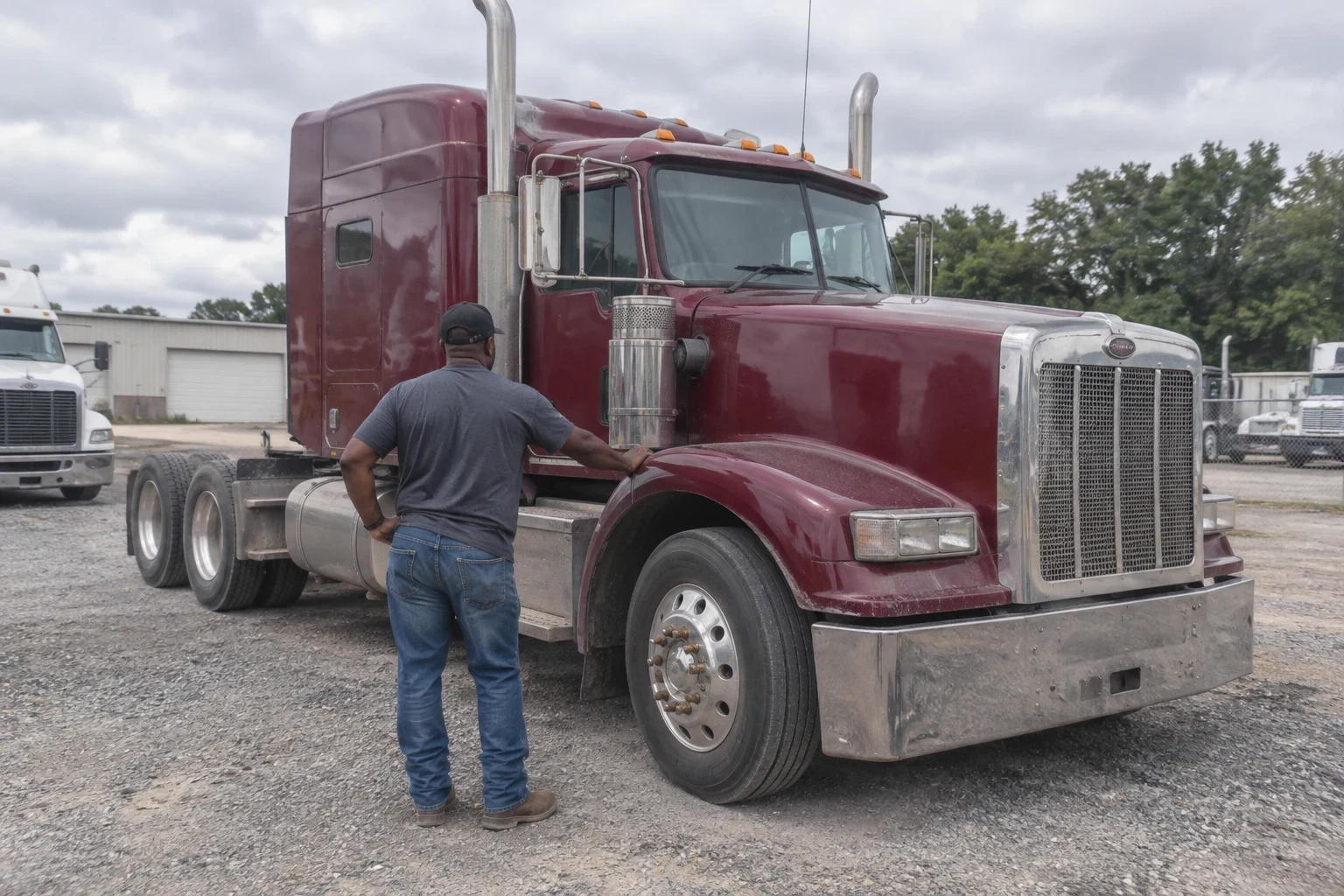
ServicesDump Truck Insurance
Dump Truck and Construction Truck Insurance in Smyrna
We write dump truck and construction truck insurance for haulers moving gravel, fill dirt, asphalt and demolition debris between quarries and job sites. Coverage is matched to how your trucks really work, including raised-bed and off-road exposure, with certificates written the way your general contractor asks for them.
Coverage built for trucks that work off the pavement
A dump truck spends part of its day on the highway and part of it backing across soft ground with a loaded bed. Standard commercial auto forms were written with the highway in mind. The job site is where many construction truck claims start: a bed raised into a power line, a rollover on an uneven grade, a tailgate that releases stone onto a car behind you.
We start with how your operation runs, then build the policy around it. That means asking about haul radius, what you carry, whether you cross state lines, and what safety habits your drivers already keep. Those details decide which coverage you need and how underwriters price the risk.
If you run a single tri-axle or a small fleet of tandems and roll-offs, the same approach applies. For broader questions about trucking policies, see our Commercial Trucking Insurance page.
What a dump truck policy usually includes
Primary auto liability
Pays for injury and property damage you cause to others while driving. Interstate haulers need limits that satisfy federal filings, and many contractors require higher limits than the legal minimum before you can work their site.
Physical damage on your trucks
Covers collision, rollover, fire and theft for the chassis and the dump body. We list the body and any hoist or tarp system separately so the stated value reflects what it actually costs to replace.
General liability for the job site
Auto liability responds while the truck is in use as a vehicle. Damage from spreading material, dumping in the wrong spot or cracking a customer's driveway can fall under general liability instead, so we check that the gap is closed.
Cargo and load coverage
Aggregate and fill dirt are often low value, but asphalt, hauled equipment or contracted loads may need cargo coverage. We confirm what your contracts require before adding it.
Contract-ready certificates
General contractors often want to be named on your policy, along with a waiver of subrogation and specific limits. We review those contract terms and issue a certificate of insurance that matches them.
Signs your current coverage may not fit your work
- A contractor rejected your certificate
- This usually means your limits, the wording that names them on your policy or the waiver language did not match their contract. It is fixable, but it needs to be fixed before the next job starts.
- Your truck is rated like a box truck
- Policies written for general freight may not account for hydraulic hoists, off-road use or loose-material hauling. That mismatch shows up at claim time.
- You added a truck or a driver
- Every new unit and every new driver changes your schedule and rating. Running a truck that is not listed can leave it uncovered.
- You started crossing state lines
- Hauling from a Georgia quarry into a neighboring state changes your filing and DOT number requirements. Your coverage needs to follow.
- Windshield claims keep coming in
- Repeated rock-chip complaints from other drivers point to load securing and tarp habits, and they affect renewal pricing.
How we put your policy together
- 1
A detailed phone or video conversation
We ask about your trucks, bodies, haul radius, materials, drivers and contracts. We also ask about safety practices like tarp use, backup cameras and how drivers check overhead clearance before raising a bed.
- 2
Matching coverage to the work
We sort which risks fall under auto liability, physical damage, general liability and cargo, and we flag any overlap or gap between them.
- 3
Shopping and explaining the quote
We bring the quote back line by line, explaining what each part covers and why it is priced the way it is. You decide what fits your operation.
- 4
Filings and certificates
Once you bind coverage, we handle any required filings and issue certificates to the contractors and quarries you work with.
What moves the premium on a dump truck
Dump trucks run heavier, work on rougher ground and stop more often than most freight trucks, so underwriters study how and where they operate. The factors below carry the most weight. Safe, documented habits are one of the few levers you hold directly.
- Driver records and experience
- Moving violations, past accidents and hours spent handling a loaded dump body count heavily. Seasoned drivers with clean MVRs pull the premium down.
- Haul radius and routes
- Short local runs around Smyrna and the neighboring counties are rated differently than long interstate trips. We record your radius accurately so you are not paying for miles your trucks never drive.
- Truck value and body type
- Physical damage pricing follows replacement cost. A late-model tri-axle with an aluminum body and a heavy hoist carries a higher stated value than an older single-axle, and the rate rises with it.
- Materials hauled
- Demolition debris, asphalt and contracted equipment bring more risk than clean fill. What rides in the bed shapes both cargo and liability pricing.
- Safety habits on record
- Load securing, maintenance logs, camera systems and a written rule for raising beds near overhead lines show underwriters a lower-risk operation.
Dump truck insurance questions
- Do I need a DOT number for a dump truck that stays in Georgia?
- Often yes. Many intrastate commercial trucks above certain weight thresholds still need a DOT number under Georgia rules. We can walk through your truck's weight and use and explain which filings apply to your operation.
- Is damage from dumping a load covered by my auto policy?
- Not always. Damage caused while the truck is parked and unloading can fall under general liability rather than auto liability, depending on the policy wording. We check both policies so that situation does not land in a gap.
- Why do contractors ask for waiver of subrogation?
- It stops your insurer from pursuing the contractor to recover money after paying a claim on their site. Many construction contracts require it, and it has to be added to the policy, not just typed onto the certificate.
- Can I insure a dump truck I lease to another motor carrier?
- Yes, but the coverage changes. When you run under someone else's authority, you may need non-trucking liability and physical damage on your own policy. Our Non-Trucking Liability (Bobtail) Insurance page covers that setup.
- Will a safety program actually lower my premium?
- It can help, especially at renewal. Documented driver training, maintenance records and camera footage give underwriters evidence that your trucks are run carefully, and some carriers price that in.
Let's go over your trucks and contracts
Have your truck details, driver list and any contractor insurance requirements nearby. We will explain what fits your work and what each piece costs.