ServicesPhysical Damage
Physical Damage Insurance in Smyrna, GA
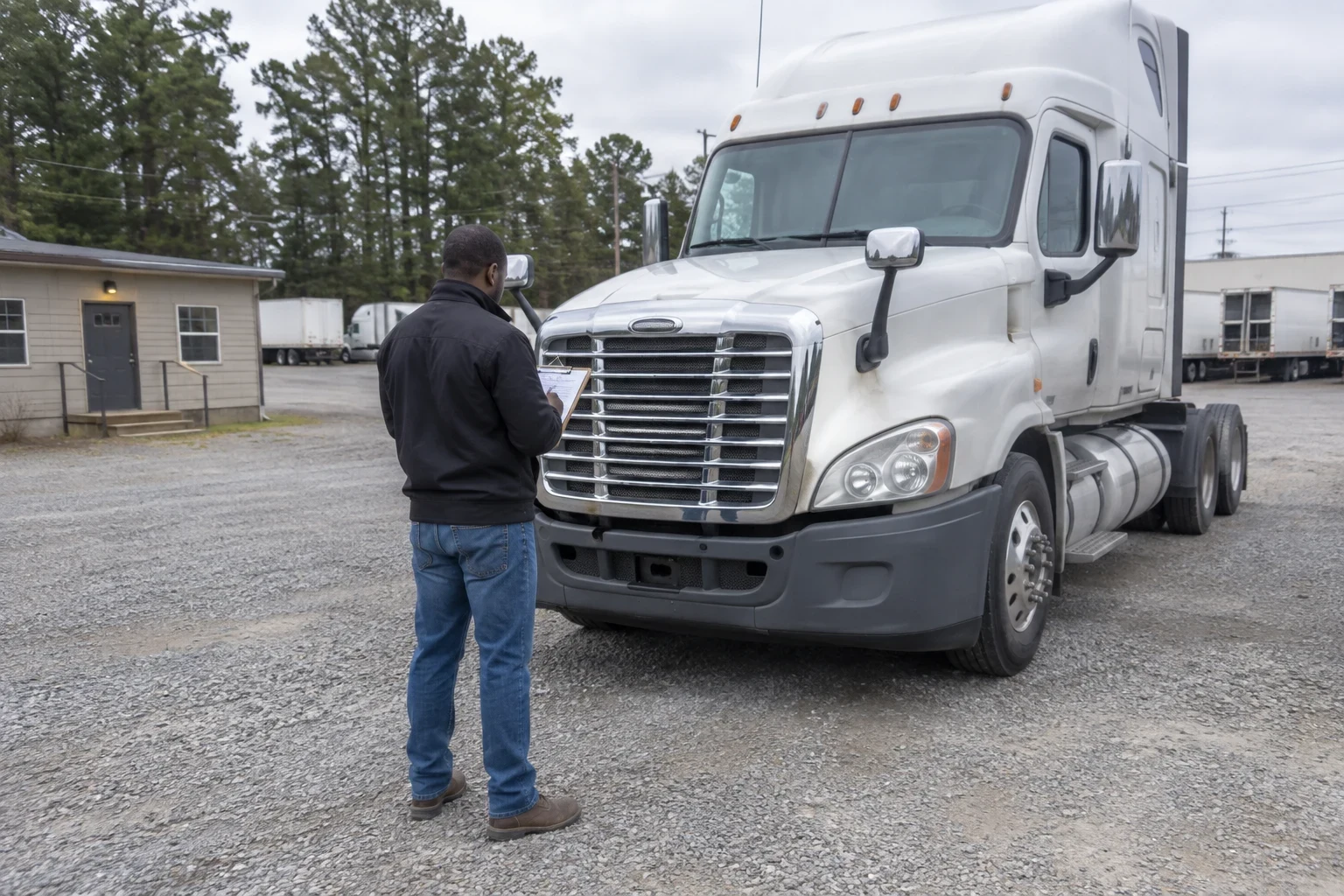
Liability pays for the other driver's car. Physical damage insurance pays for your tractor and trailer when they are wrecked, stolen, burned or hit by hail. We set the stated value and deductible with you, and we look at how you park, maintain and drive to keep the premium in line.
What physical damage coverage protects
Physical damage insurance covers your own equipment. It has two parts. Collision pays when the truck hits something or rolls over, no matter who caused it. Comprehensive, sometimes written as specified perils, pays for losses that are not a crash: theft, fire, vandalism, hail, flood, falling trees and hitting a deer.
Most policies are written on a stated value basis. You name what the tractor or trailer is worth, the carrier agrees, and a total loss is settled at that number or actual cash value, whichever is lower. That last part is why an outdated stated value costs you money twice: you pay premium on a figure you will never collect, or you are underinsured after the truck has gained value.
If your truck is financed or leased, the lender almost always requires this coverage and wants to be listed as loss payee. If you own it outright, it is still the coverage that decides whether a wreck on I-285 is a repair bill or the end of your operation.
What we build into the policy
Collision coverage
Pays to repair or replace the unit after an impact with another vehicle, a guardrail, a dock or a rollover. It applies whether you were at fault or not, minus your deductible.
Comprehensive or specified perils
Covers non-collision losses. Comprehensive is broad. Specified perils lists named causes like fire, theft and windstorm, and costs less because it covers less. We explain which one fits your equipment.
Stated value set per unit
Each tractor and trailer gets its own value based on year, make, model, mileage and recent sale prices. We check it against what a replacement would actually cost, not the original purchase price.
Permanently attached equipment
Reefer units, APUs, sleeper upgrades, liftgates and custom chrome can be scheduled so they are valued with the truck. Unlisted add-ons are a common reason claims come up short.
Loss payee and lienholder filings
We list your lender or lessor correctly and send them evidence of coverage, so your financing stays in good standing.
Towing and storage options
Many carriers offer added coverage for towing, recovery and storage after a wreck. Heavy recovery on a loaded tractor-trailer can be expensive, so we price it with you.
Signs it is time to add or review physical damage coverage
- You just financed a truck
- The lender will ask for collision and comprehensive with them named as loss payee before the deal closes. Getting the quote first keeps the purchase on schedule.
- Your stated value is a few years old
- Used truck prices move. A value set at purchase may now be too high, which wastes premium, or too low, which leaves you short on a total loss.
- You leased on to a carrier
- The motor carrier's policy usually covers liability, not your equipment. Your truck needs its own physical damage policy, often paired with non-trucking liability (bobtail) insurance.
- Your truck sits in an open lot
- Unsecured overnight parking raises theft and vandalism risk. Comprehensive is what pays when a tractor or catalytic converter disappears.
- You added expensive equipment
- A new reefer unit, APU or liftgate changes what the truck is worth. If it is not on the policy, it may not be paid for.
How we put your quote together
- 1
A phone or video call
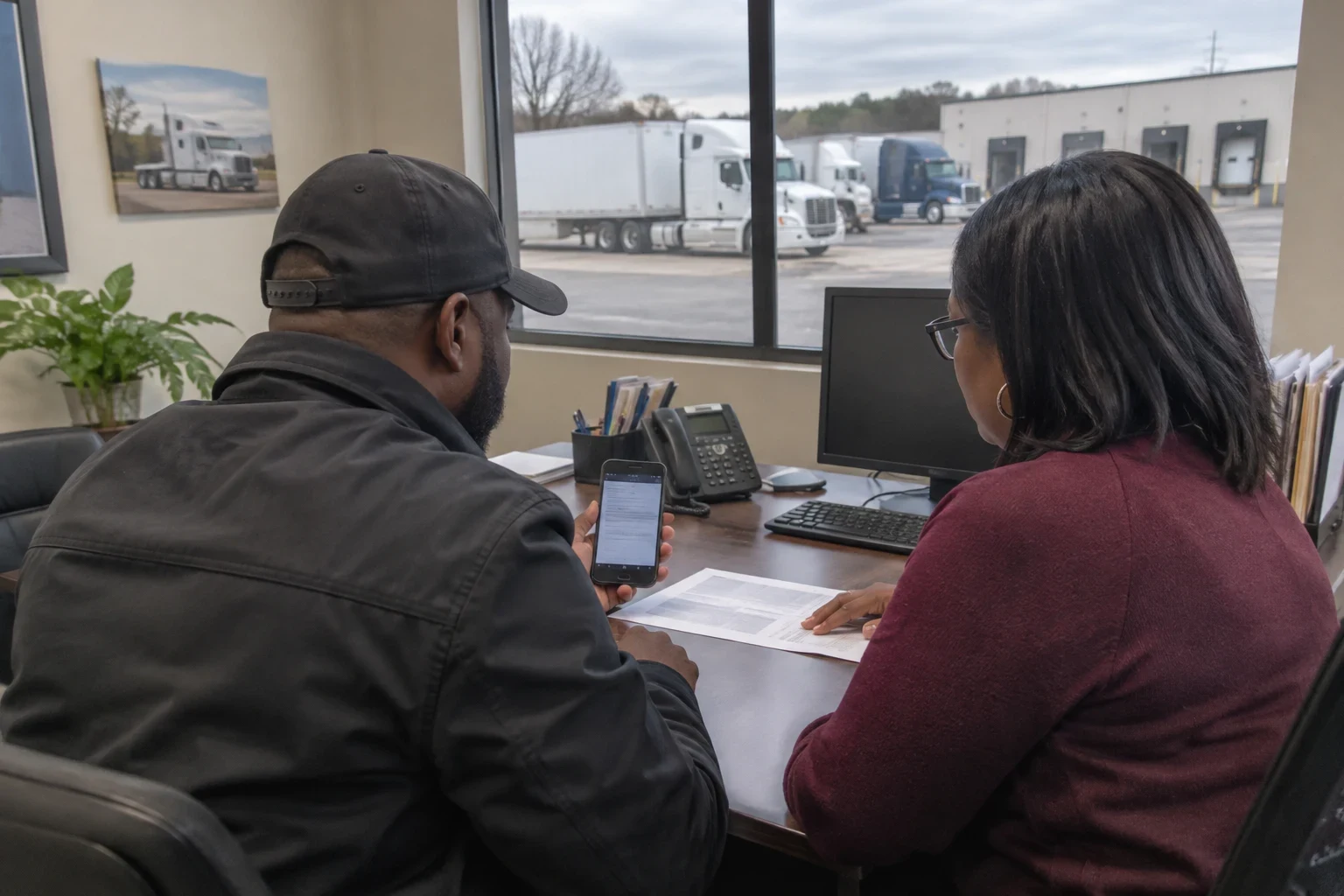
We go over each unit: VIN, year, make, model, mileage, purchase price and any lienholder. We also ask about drivers, CDL experience and where the trucks are kept overnight.
- 2
A look at how you operate
Underwriters price physical damage on how likely a loss is. Dash cameras, maintenance records, fenced parking, GPS tracking and clean driving records all help, so we document what you already do and point out low-cost changes that reduce risk.
- 3
Quotes with the tradeoffs explained
We compare carriers and show how the deductible and stated value change the premium. You see the full cost before anything is bound.
- 4
Policy issued and paperwork sent
Once you choose, we bind the policy, list the loss payee and send proof of coverage to your lender or lessor. After a claim, the first step is making sure the scene and the driver are safe, then we help you report it.
What moves the price of physical damage insurance
The premium is mostly a percentage of the stated value, adjusted for how likely a loss is. A newer tractor costs more to insure than an older one simply because there is more to pay out. Driver records and parking security can move the number as much as the truck itself.
- Stated value of each unit
- Higher values mean higher premium. Setting an accurate value per unit is the most direct control you have.
- Deductible choice
- A larger deductible lowers the premium but raises what you pay out of pocket after a loss. We help you pick one you could actually cover on a bad week.
- Drivers and loss history
- Years of CDL experience, MVRs and past claims weigh heavily. Fewer at-fault accidents usually mean better pricing at renewal.
- Parking, theft protection and equipment type
- Fenced yards, kill switches and GPS lower theft exposure. Dump trucks and hotshot rigs working rough sites carry different collision risk than a dry van on the interstate.
- Radius and routes
- Heavy metro traffic and long-haul miles both raise exposure. Georgia's spring hail and summer thunderstorms are also reflected in comprehensive rates.
Physical damage insurance questions
- Is physical damage insurance required by the FMCSA?
- No. Federal filings require liability, and some shippers require cargo coverage. Physical damage is required by lenders and lessors, not the government. If you own the truck free and clear, it is your call, but you would carry the full cost of a total loss yourself.
- What is the difference between stated value and actual cash value?
- Stated value is the number you and the carrier agree on when the policy is written. Actual cash value is what the truck is worth at the time of the loss. Most policies pay the lower of the two, so overstating the value raises your premium without raising your payout.
- Does my carrier's policy cover my truck if I am leased on?
- Usually not. The motor carrier's policy typically covers liability while under dispatch. Damage to your own tractor is your responsibility, which is why most leased owner-operators carry their own physical damage policy.
- Can I insure the trailer separately from the tractor?
- Yes. Each unit is listed with its own stated value and can have its own deductible. Trailers that belong to someone else and are handed to you through a written exchange agreement are a different matter, and they are covered under trailer interchange insurance.
- How do safety practices affect my premium?
- They affect it directly. Dash cameras help settle fault in collision claims, maintenance logs show the truck is kept in good order, and secure parking lowers theft losses. We present these to underwriters so you get credit for them.
Know what your truck is covered for
We will walk through each unit, set a value that holds up at claim time, and show how the deductible changes the premium. Your lender gets the paperwork once you decide.