ServicesCommercial Trucking Insurance
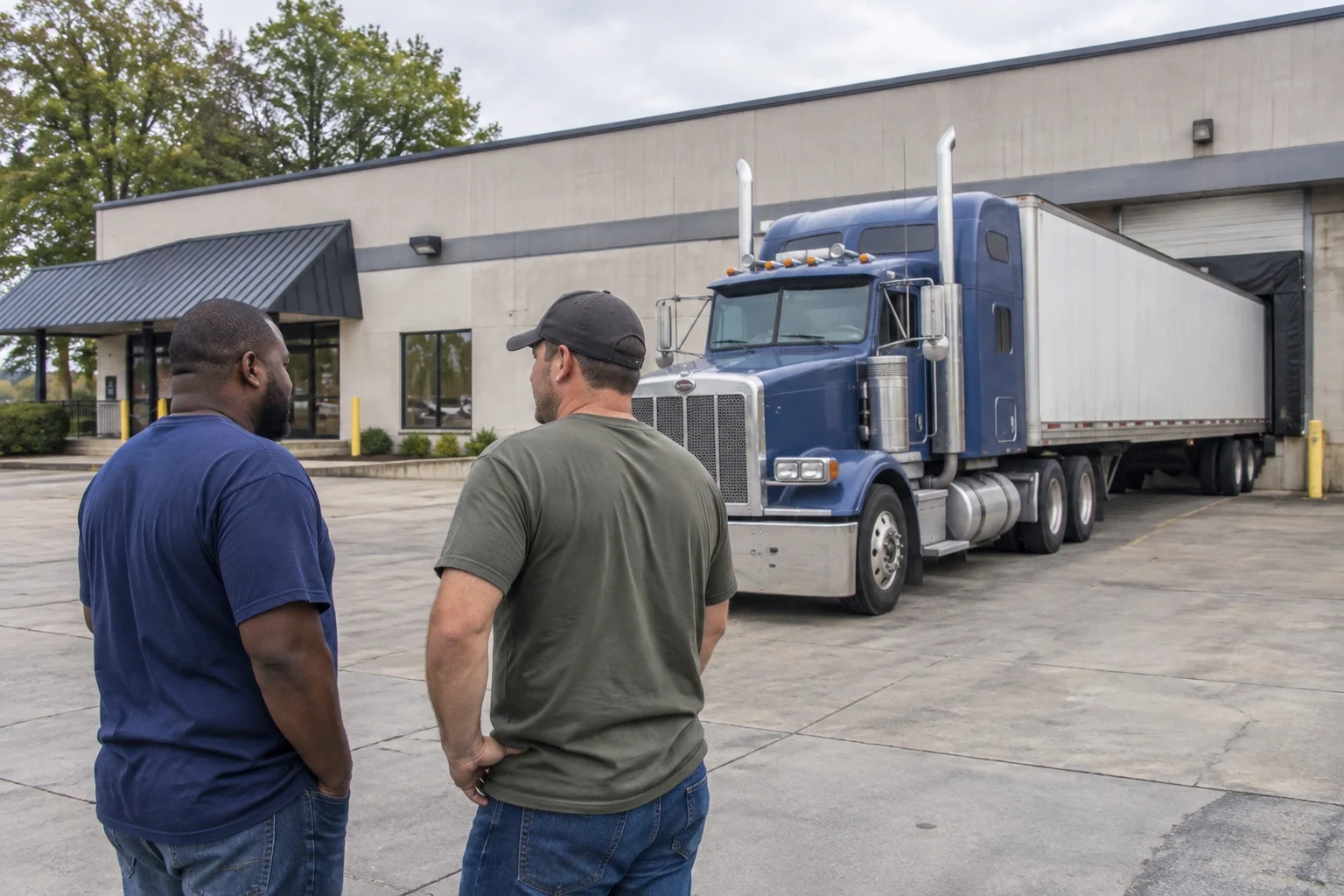
Commercial Trucking Insurance in Smyrna
We put together the coverage a motor carrier needs to run legally: primary liability, cargo, physical damage and the filings tied to your DOT number. We start with your drivers, equipment and safety record, because those are what underwriters price and what keeps a claim from happening.
What a commercial trucking policy actually covers
Commercial trucking insurance is not one policy. It is a set of coverages that answer different questions. Who pays when your truck hits someone else is primary auto liability. Who pays to fix or replace your tractor is physical damage. Who pays for the freight is motor truck cargo. Your MC authority stays active only while the right liability filing sits with FMCSA, so the paperwork matters as much as the limits.
We build the package around how your operation runs: what you haul, how far, who drives and what the equipment is worth. Then we explain each piece in plain terms, including what it excludes, so you are not finding gaps on the side of I-285 after a loss.
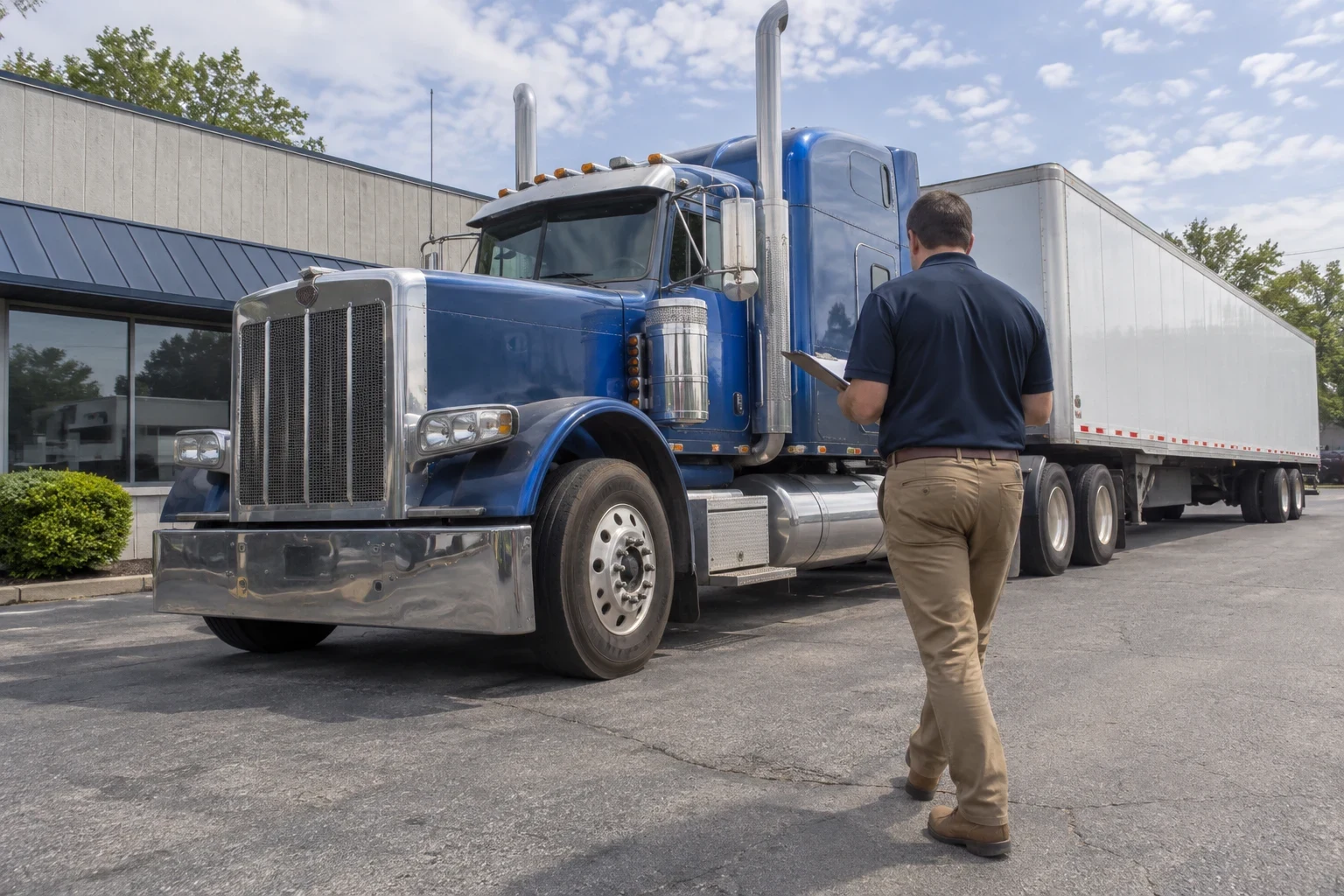
Safety sits at the center of how we work. Clean inspections, current driver qualification files and a solid CSA profile lower risk on the road, and they are also the strongest arguments we can bring to an underwriter.
What we set up in a trucking policy
- Primary auto liability
- Covers bodily injury and property damage you cause to others while operating under your authority. Limits need to meet the federal minimum for your freight class, and many shippers and brokers require more. See our Primary Auto Liability Insurance page for detail.
- Physical damage on your units
- Collision and comprehensive for tractors, straight trucks and trailers, written on a stated value. We check that the stated amount matches what the unit would actually cost to replace, not what it was worth three years ago.
- Cargo coverage matched to the commodity
- Motor truck cargo pays for freight lost or damaged in your care. We read the exclusions with you, since reefer breakdown, theft from an unattended vehicle and certain commodities are common gaps.
- Federal and state filings
- We handle the BMC-91X liability filing with FMCSA and any state filings needed for intrastate work in Georgia. A lapsed filing can put your authority out of service, so we track the effective dates.
- Certificates for brokers and shippers
- Most loads will not be released to you until the broker has proof of coverage on file. We prepare each certificate of insurance with the right holder name and limits, and we issue a new one when a contract asks to be named on your policy by endorsement.
- Add-on coverages where they fit
- Trailer interchange, non-trucking liability, general liability for your yard and similar coverages, added only when your contracts or operation actually call for them.
Signs your current trucking coverage needs a closer look
A broker rejected your certificate
Usually the cargo limit is too low, a required endorsement is missing, or the scheduled units do not match the truck dispatched. Each of these can be fixed, but only by changing the policy itself.
You added a truck, trailer or driver
Unscheduled units and unlisted drivers are a frequent reason claims get disputed. Every change in equipment or personnel should reach the policy before the unit runs.
Your freight or lanes changed
Moving from dry van to reefer, adding hazmat, or stretching from local runs to long haul changes the risk. Coverage written for the old operation may not respond to the new one.
Your premium jumped at renewal
A jump often traces to a specific cause: an accident, a roadside violation that hit a CSA category, or a driver with a weak MVR. Once we know the cause, there is usually a safety step that addresses it.
You are not sure what is excluded
If you cannot say whether your cargo form covers theft from an unattended trailer, it is worth reading the policy line by line before a loss tests it.
How we build your quote
- 1
Learn the operation
On the phone or by video, we go over your DOT number, authority status, units, drivers, commodities and radius. We also ask about your safety practices: pre-trip inspections, maintenance schedules and how you vet drivers.
- 2
Gather the records underwriters read
That means loss runs from prior carriers, driver MVRs, your equipment list with VINs and values, and any IFTA or mileage records. Complete records get better attention from underwriters and fewer surprises later.
- 3
Compare and explain the options
We take your information to the markets that write your type of trucking and lay out the results side by side: limits, deductibles, exclusions and premium. We point out where a lower price comes with a narrower form.
- 4
Bind, file and issue certificates
Once you choose on the call, we bind coverage, make sure the carrier posts your required filings and issue certificates of insurance to your brokers and shippers. Then we set a review date so the policy keeps up with your trucks.
What moves the premium on a trucking policy
Trucking premiums are built from risk factors an underwriter can measure. Some you cannot change quickly, like years under authority. Others respond directly to how safely you run, and those are the ones we help you work on.
- Driver experience and records
- Years of CDL experience, violations and accidents on each MVR carry heavy weight. One driver with recent major violations can move the price of the whole policy.
- Safety and inspection history
- Out-of-service rates, CSA scores and crash history show underwriters how your operation behaves on the road. Steady maintenance and documented inspections improve those numbers over time.
- Commodity and radius
- High-value, fragile or hazardous freight costs more to insure, and so do longer lanes. Local work around Marietta and Atlanta carries a different exposure than coast-to-coast runs.
- Equipment value and deductibles
- Newer, higher-value units raise physical damage premium. A higher deductible lowers it, but only makes sense if you can cover that amount after a loss.
- Time in business and loss history
- New authorities usually pay more until they build a record. Clean loss runs over several years are among the strongest tools for bringing premium down.
Questions about commercial trucking insurance
Something not covered here? (770) 637-6657
What coverage do I need to keep my MC authority active?
FMCSA requires primary liability at or above the federal minimum for your freight, and the insurer files it on a BMC-91X. Some operations, such as carriers moving people's personal belongings, may need a cargo filing as well. If the filing lapses, your authority can be revoked. We confirm the filing posts and keep track of renewal dates.
Do I need cargo coverage if the law does not require it for my freight?
In practice, almost always. Most brokers and shippers will not tender a load without proof of cargo coverage, and without it you would pay for damaged freight out of pocket. We match the limit to the value of the loads you typically haul.
How does my safety record change what I pay?
Underwriters read your CSA data, inspection results, crash history and driver MVRs before they quote. A carrier with clean inspections and well-qualified drivers is a lower risk and usually gets better terms. We go over your record with you and point out which items are weighing on the quote.
Can I add a truck or driver in the middle of the policy term?
Yes. Call us before the unit or driver goes into service so we can endorse the policy and update your certificates. Running an unscheduled truck or an unlisted driver is one of the most common reasons a claim gets disputed.
What should I have ready before we talk?
Your DOT and MC numbers, a list of units with VINs and values, each driver's name, date of birth and CDL state, and loss runs from the last three to five years if you have them. If some of it is missing, we can still start on the call and work out the rest together over the phone.
Get your trucking coverage reviewed
Bring your current declarations page, or start from scratch if you are building a new operation. We will go through your trucks, drivers and freight and show you what each coverage does before you commit.